
Voices for Action

Victim-survivors of child sexual abuse tell us about their key priorities for change

Scroll to begin

Take care reading this content

The content on this webpage and in the Voices for Action report contains themes and material that might cause distress or activation in some readers. We encourage you to take care in engaging with this content; to take breaks; to debrief after reading with someone you trust; or, if activation does occur, to reach out to the support services listed below .

About the Voices for Action campaign

A commitment to embedding and centring lived experience knowledge and wisdom was central to the establishment of the National Centre.

We created the Voices for Action campaign to hear directly from victim-survivors of child sexual abuse about the changes they want to see. The campaign was launched in October 2025 and was designed to inform action by helping us understand what is working, what is missing and what needs to change. The insights shared through Voices for Action will drive the National Centre’s policy, advocacy, lived experience and sector capability work – and should also shape the reform efforts of governments and other key stakeholders.

Victim-survivors of child sexual abuse shared their views through 84 submissions to Voices for Action

Browse the submissions

Submissions included written responses, stories, letters, poetry, artwork, photography, music, audio recordings and videos.

We are progressively sharing content from submissions in this gallery. We are publishing this content after receiving the informed consent of those who submitted it.

It’s maths – my last period of the day, and the room smells like sweat and musky cologne. I sit at a desk in the back row by the wall. The one that always has gum stuck underneath it.

Read the full piece ›

Milly

Victim-survivor, Submission to Voices for Action

It’s maths – my last period of the day, and the room smells like sweat and musky cologne. I sit at a desk in the back row by the wall. The one that always has gum stuck underneath it. The teacher is talking about the reproductive system in females. I should be taking notes. I’m not. All I’ve taken away so far is that the uterus can expand to the size of a watermelon. Shuddering, I look back to the teacher, trying to focus on what he’s saying. His voice isn’t his, though. It’s too sweet, too sickly. Too close to the way he used to talk.

I feel my hand move my pen across the page. I write the word “ovum,” then scribble it out. Then rewrite it smaller. Then smaller again.

In front of me, someone types on their computer too loudly. The click-clack makes me squirm.

The teacher walks past my desk and something – maybe the scent of his stale coffee, or the weight of his shadow – makes my heart slam against my ribs, wild and desperate, like a bird trapped in a cage, wings battering against bars that won’t give.

“You okay?” whispers Harmony besides me. She’s in most of my classes. Chatty. Caring. She must have seen me staring.

I nod, even though I’m not.

“Concentrate on your work, please,” the teacher says, and for half a second I swear he’s giving me that look. His look. It’s hungry, animalistic. It’s the type of look that c r a w l s across your body, leaving behind a trace of something rotten. It’s the type of look that makes you feel like you’re a thing, and not a person.

He isn’t giving me that look though. I’ve never seen it on him. He’s not him. Right? They just wear the same aftershave.

Still, I flinch when he walks by again.

There’s a worksheet on my desk. I haven’t touched it.

I draw a tiny box on the paper and fill it in, completely black. Then another. Then another. Little containers. Little cages. Neat. Clean. Empty.

I wish I could shrink myself small enough to fit inside one.

And for a moment, I do. Except everything is wrong. The desk I’m sitting at is different; smaller, and chipped at the corners, carved with initials I don’t recognise. My feet don’t touch the floor, and the air feels thick; stale, like it hasn’t been breathed in for years. The classroom is empty but somehow feels crowded. Cramped. Like the walls are folding in, little by little. A light flickers over my head, and he’s there, looking down at me. Smiling like we share a secret. I’m eleven again.

I slowly get up to leave, but he kicks me in the stomach and pins me down. He starts yelling at me, but everything is muffled, like my ears are stuffed with cotton. I lie there and let him do whatever he wants, like I always do. I fix my eyes on the door, just in case. But no one comes. No one ever does. I watch my body flop around, weightless and lifeless, like a dying fish. I don’t scream; I don’t shout. My mind slips out of me, and suddenly, I’m a wild horse galloping far, far away, feeling the frisson of joy that freedom bestows. I’m a seabird with wings so long I can fly forever. I’m the moon, tucked away in the night sky, safe and hidden from him.

Time slows down or maybe stops. My thoughts scatter like a plumage of feathers exploding from a gunshot wound midair. I can’t feel the floor. Can’t feel my body. Then something shifts and I hear a rustle of papers. The classroom sharpens around me. My worksheet is still blank except for the tiny black boxes I drew. I gaze around. No one’s looking at me. Everything is quiet. Like nothing happened. Like it was all in my head. I lock the door that keeps the bad memories away and stare at the ceiling. There’s a crack
running through it. I count to ten. Then to twenty. I think about what it would feel like to float through it, up, up, and away.

Harmony nudges me again. “Are you sure you’re okay?”

I nod and force myself to smile, pushing down the bile beginning to bubble in my throat. My mind starts screaming at me to leave, adrenaline pulsing through my veins. Without thinking about it, I’m on my feet. Walking. Running. The teacher calls out after me, but all I can see is the staircase ahead. I’m so close. I’m almost there.

I burst into the bathroom, shove open the door and run to the last cubicle, the cold tiles burning against my skin as I crumple to the floor. A strained gasp rakes its way out of me, my body lurching forward. All I can smell and taste is last night’s dinner.

Trembling, I lean against the door and draw my knees to my chest. One by one, the tears fall, each heavier than the last. My body accepts what my mind can no longer hold. Screams and sobs shake through me, sharp and suffocating. Grief slithers in, guilt close behind, both wrapping around my heart like vines, tightening with every breath. This pain isn’t just in my head anymore. It’s in my throat, my chest, my limbs, demanding its way out.

I let it.

After years of holding it in, I let it pour out of me – loud, aching, and endless.
When it all finally stops, I’m still curled up, snot dripping from my nose.

It doesn’t feel like this is ever going to go away. He’s still here. He’s always here. I want to move on – I think I do – but I don’t know how to do that when he’s still living inside me.

My body doesn’t feel like mine anymore. I don’t know if it ever did.

He took and took until there was nothing left. Sometimes I wonder what I did to deserve it. Sometimes I wonder if I’m the dirty one, the disgusting one. And sometimes, I even question if it was really that bad. But when I slip into that trap, all I have to do is watch it happen again and look into that girl’s eyes; blank, dilated, gone.

Once I’ve gathered myself, I grab my journal and a pen from my bag and start to write. But getting it out is hard. I’ve rewritten everything at least five times. Crossed out words and changed some. Regardless, I put my pen down and stare at the open book. The mess of ink, the rawness. The realness of it. Then I hear a knock.

Harmony sits down next to me. “Are you okay?”

I hesitate. Then I nod. “I think so. Can I show you something?”

I hand the journal to Harmony. I want to pull it back, to keep it safe. But maybe for once, it’s okay to let someone else hold it. To let someone else see me.

I need help, but I don’t know how to fix this. How to fix me. I know now though that I don’t want to feel like this anymore. He kept me locked up for so long, I forgot there was a world beyond the walls. And now that I’ve finally tasted freedom, the fear of being trapped again is consuming me entirely.

You.

You made me believe I was something special, and in return, I gave you everything. Every part of me. But you destroyed me like I was nothing; just another little girl you could ruin. Now I can’t breathe without smelling you in the air. So tell me, what do I do with that?

For years, I’ve felt like pieces of me have been missing. Like parts of myself were thrown across the world, waiting to be found. But now, I think I can finally tell my story, because the rivers of my searching, once lonely and lost, are beginning to flow back into the ocean of who I am. The pieces are coming home. I’m returning to myself.

I’m still my brokenness. I’m still a scared little girl wishing I could make him go away. But I’m also grateful. And I’m starting to feel something I thought I’d lost forever, hope.

I’m learning that hope doesn’t roar. Hope doesn’t shout. Hope is quiet, like a washing machine, gently humming on an early summer morning. Hope is a gentle pulse beneath all the noise. It’s always there, like a thread I can hold on to when everything else is slipping through my fingers.

Hope looks like small things now. Like getting out of bed, even when memories of him cling to me like ash after a fire. Like stripping back my fear just enough to say, “I need help.” Like feeling safe enough to be touched. It looks like laughter catching me off guard, or moments of stillness that don’t feel haunted.

It’s not that the pain has suddenly vanished. It’s that I’m learning how to live beside it. To breathe through it. To look for the light leaking in through the cracks. I’m not whole yet, but maybe I don’t have to be. Maybe I just have to keep going.

Because somewhere beneath the pain, there’s a flicker – small, trembling, but alive. A flicker of something soft and defiant. Something that says, I want more. More than just surviving. More than flinching at footsteps and counting ceiling cracks. I want nights that don’t fade into fear. I want to smile and feel it spread through me. I want to be seen without having to tremble.

And that has to be enough. For now, that has to be enough as I begin to forget him. Because he doesn’t get to determine my story anymore. I do.

So I’ll write. Even if my hands shake. Even if my voice cracks. I’ll write the truth, and in doing so, I’ll stitch myself back together, thread by trembling thread.

I’m still learning how to live in a body that remembers his touch. Still learning how to love it. How to trust it. But maybe, one day, I’ll stop seeing his handprints when I look in the mirror. Maybe I’ll see just me instead.

When Harmony looks up, she’s crying.

“I didn’t know,” she whispers, leaning her head against mine. “That was… brave.”

I exhale, a breath sighing its way out. Like something buried deep is finally letting go. My shoulders drop, not all the way, but enough. It feels like standing in the debris and knowing the fire’s out.

And maybe, just maybe, that will be enough.
Milly, Victim-survivor, Submission to Voices for Action
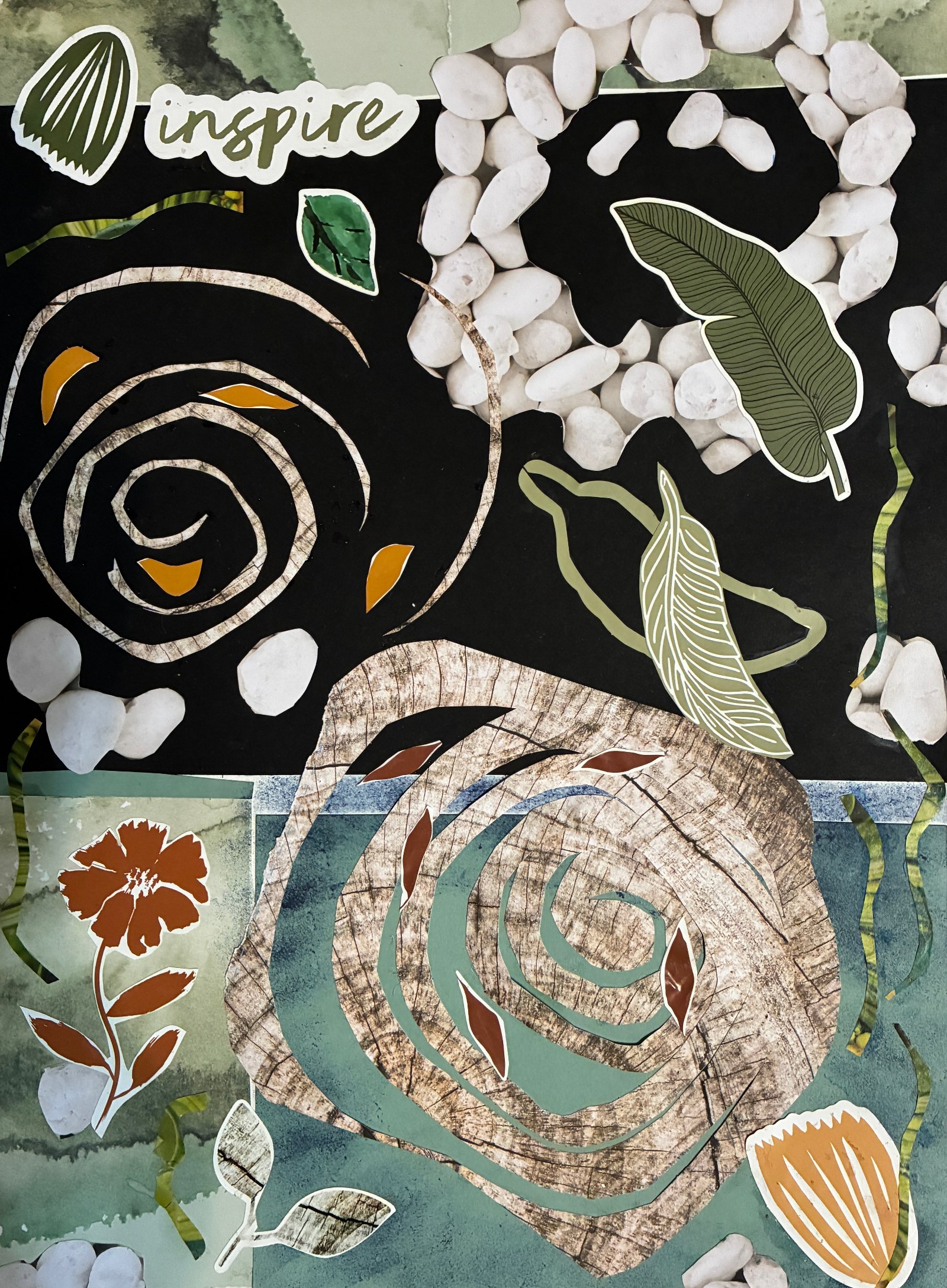
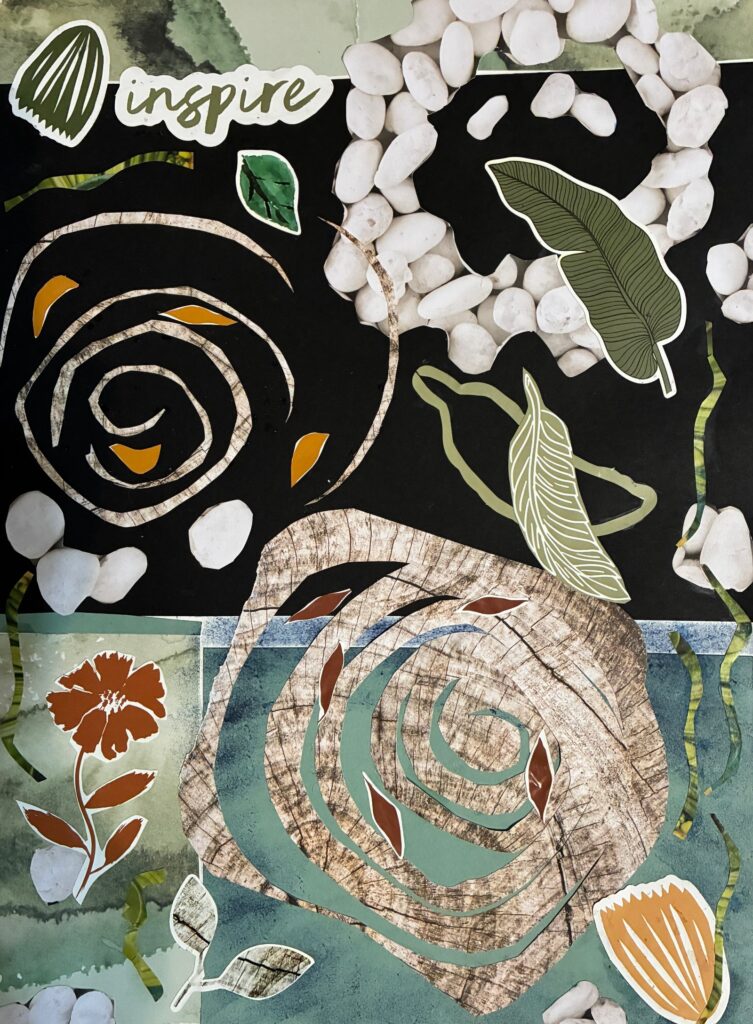
Artwork by Sandra Collins, Lived Experience Advocate, submitted to Voices for Action. Artwork featuring leaves, stones, spiral motifs and botanical forms arranged on a dark background with green and earth-toned elements, with the word "Inspire" incorporated into the composition.

Read the full piece ›

Sandra Collins

Lived Experience Advocate, Submission to Voices for Action
Artwork by Sandra Collins, Lived Experience Advocate, submitted to Voices for Action. Artwork featuring leaves, stones, spiral motifs and botanical forms arranged on a dark background with green and earth-toned elements, with the word "Inspire" incorporated into the composition.
Sandra Collins, Lived Experience Advocate, Submission to Voices for Action
A little something about recovery. Reimagining my past is a heavy task, a ghost I have carried, a shadow in my smile. It lingers in the quiet, in the space between laughter, a whisper of all I have lost.

Read the full piece ›

LJ Singh

Survivor-advocate, Submission to Voices for Action

A little something about recovery.

Reimagining my past is a heavy task,

a ghost I have carried,

a shadow in my smile.

It lingers in the quiet,

in the space between laughter,

a whisper of all I have lost.

Survival is not just breathing,

not just waking each day;

it is choosing to stay,

to fight for my own story; for my truth and my voice.

To rewrite the echoes

that tell me I am broken,

to hold myself close

when the weight of it all pulls me under.

I wear my success

like a shield,

but beneath it,

I am stitched together.

With sadness, strength, and survival.

It is the wisdom of ancestors, who remind me,

I was never meant to carry this shame.

It doesn’t belong to me.

I am more than the harm done to me.

I am more than the hands that tried to take my spirit.

The silence that tried to still my smile.

I am fire,

I am a story,

I am the bloodline of warriors, healers, and heart.

For every dark night,

I find a reason to rise,

My children’s laughter,

The colors of a sunrise,

the quiet knowing that I matter.

That I have always mattered.

So, when the past calls me back,

I try not to answer.

I stand in today,

in the fight for my future,

in the fire,

in the promise of tomorrow,

In love, I am still learning to give myself.

This is my beginning.

LJ Singh, Survivor-advocate, Submission to Voices for Action
The Girl Who Fought the Dark

Read the full piece ›

Sarah Barnbrook

Victim-survivor, Submission to Voices for Action

The Girl Who Fought the Dark
by Sarah Barnbrook

I waited for the stories to be true
for armour in the doorway,
for footsteps meant for saving,
for a voice that spoke of light.

But the dragons came in silence,
and I was small and trembling,
while the world stayed wide awake
and chose to look away.

I learned to fight with quiet hands,
a child with shaking bravery,
swinging at the shadows
no one else would ever face.

Hope thinned to a dying candle,
wax drowning out the flame.
I dreamed of silver horses,
but only ashes filled my lungs.

No rescue.
No armour.
No shield but my own breath.

So I battled through the darkness,
alone with ragged courage,
a war too large for little bones,
a night that stole my sleep.

And still, the world kept watching.

Now I walk through daylight
carrying the echo of that war,
a childhood lost to monsters
and a child-sized sword
abandoned in a field of shadows
where no one ever came

Sarah Barnbrook, Victim-survivor, Submission to Voices for Action
"I would like to see the voices of adult survivors of child sexual abuse and their experiences, not only as children but as adults, navigating the effects and impacts on their lives."

Read the full piece ›

Anonymous

Survivor Professional, Submission to Voices for Action

“I would like to see the voices of adult survivors of child sexual abuse and their experiences, not only as children but as adults, navigating the effects and impacts on their lives. I would like to see services for adult survivors of child sexual abuse, not just services for those who were subjected to institutional abuse. Where do the survivors of intrafamilial abuse go to get redress and acknowledgment?”

Anonymous, Survivor Professional, Submission to Voices for Action

Read the full piece ›

Dee Melbourne

Survivor Advocate, Submission to Voices for Action

“I created this painting based on the different masks I have needed to wear through out my life in response to CSA. Self protection, self advocacy, self judgement. Isolating and lonely but with multiple fronts.”

Dee Melbourne, Survivor Advocate, Submission to Voices for Action
Dear little boy. I met you in 2009 while I was working in the Northern Territory. I looked into the eyes of too many small children who were victims of child sexual abuse.

Read the full piece ›

Lee

Victim-survivor, Submission to Voices for Action

Dear little boy

I met you in 2009 while I was working in the Northern Territory. I looked into the eyes of too many small children who were victims of child sexual abuse.

I gradually spiralled into a never before visited abyss in my mind. In that abyss, memories I thought had no power almost destroyed me. I could see all your eyes inside mine and I could not escape.

As I descended into a dark nightmare, my daughter told me she too had been sexually abused. Her eyes joined ours.

You were taken away for a crime you were too young to commit. Did you? Are you OK? For me, your eyes represent all the eyes.

I still have the picture of the red car you drew for me. I never got to say goodbye. I hope you read this poem and know that I am sorry. Everyone knew. We all did nothing. I am sorry I did nothing. We were all victims. I hope you are a survivor too.

A red car

I remember your eyes.
You were seven, you were small.
I was big, I was old.

I looked into your eyes.
“Would you do a drawing for me”, I asked.

You looked into my eyes.
You gave me a picture.

I could see pain in your eyes.
I knew you were hurting.

When your eyes were gone.
I could still see them.

I will never forget you.
Your eyes looked like mine.

Lee, Victim-survivor, Submission to Voices for Action
My body was mine, and mine alone. My body was sacred. My no was meant to be my power. You took that from me.

Read the full piece ›

L. Rose

Victim-survivor, Submission to Voices for Action

My body was mine, and mine alone. My body was sacred. My no was meant to be my power. You took that from me.

It makes me mad that you had the privilege of keeping this to yourself, where the only freedom I could be given was to tell others and lessen my own burden.

I spent my life ashamed for actions that were not my own. Ashamed of the ways I was tainted before I was even grown. I prayed to God hoping he could save me, heal it all, but in the end it was my own role. Trauma is isolating, suffocating, makes you feel as though your worth is imaginary, insubstantial.

My mother had the option to believe me once, read my diary said it was fictional, I was imaginative, “she’s great at telling stories”. My story froze, locked away, unable to be told – would resurface at a time i was not ready. 20 years old, addicted and inebriated it came to me, blaring vision of the events that traumatised me. I tried to acknowledge but I become my own critic the words I’d heard mimicked in me. I didn’t believe it, thought I was sick, needed help, it wouldn’t be the only time I thought i was creating my own issues. Took years of acceptance, hearing and seeing my own experience before I believed again.

Hurt myself so bad I was covered in scars from the age of 12. I was different, complicated, no one understood. What’s wrong with you? Why can’t you just be happy? I didn’t know how to explain the things that I’d been through, still thought I was the problem, sinful in my experiences, I was sure i would be punished for my victimhood.

“So I set free myself from all the guilt that I thought i made” Kendrick Lamar – Mother I sober.

L. Rose, Victim-survivor, Submission to Voices for Action
“Disclosure met with disbelief compounds trauma. Children interpret adult reactions as reflections of themselves."

Read the full piece ›

Ann-Marie Budworth

Victim/survivor, Submission to Voices for Action

“Disclosure met with disbelief compounds trauma. Children interpret adult reactions as reflections of themselves. Disbelief is often about the listener’s limitations, fear, or shame — not the child’s credibility. […] Healing can isolate survivors within families or communities invested in silence. Support structures must acknowledge relational fallout during recovery.”

Ann-Marie Budworth, Victim/survivor, Submission to Voices for Action
Artwork by Mel Clark, Lived Experience, Survivor Advocate, submitted to Voices for Action. "This picture is an artwork that I created to reflect my healing transformation process. The working through 'what happened', the grief and the suffering that I once felt but hadn't let go of. This represents my grief through the hard and to the other side of my situation. A personal journey of love and acceptance of myself and the situation that was still holding me back in my life... Through this I found an opportunity for the hard to fall away. Not have it erased but rather a way for me to visualise myself letting go of the process that was very hard. It allowed me in time to let go of the need to carry it within my mind, my body and my spirit. This for me meant that I was able to stop, reflect and find an achievable process to explore my feelings in a safe way. I share this in the hope that demonstrates hope and encouragement that with the right supports, you can find freedom in your mind, body and spirit too... Through timely connection, understanding and compassion, personal transformation was made possible to me... It is my hope that you too and in your own time, you may choose for this too - I found self love, self worth and a willingness and capacity to move on. Forgiveness is now at the heart of my own healing and recovery - it washed over me."

Read the full piece ›

Mel Clark

Lived Experience, Survivor Advocate, Submission to Voices for Action
Artwork by Mel Clark, Lived Experience, Survivor Advocate, submitted to Voices for Action. "This picture is an artwork that I created to reflect my healing transformation process. The working through 'what happened', the grief and the suffering that I once felt but hadn't let go of. This represents my grief through the hard and to the other side of my situation. A personal journey of love and acceptance of myself and the situation that was still holding me back in my life... Through this I found an opportunity for the hard to fall away. Not have it erased but rather a way for me to visualise myself letting go of the process that was very hard. It allowed me in time to let go of the need to carry it within my mind, my body and my spirit. This for me meant that I was able to stop, reflect and find an achievable process to explore my feelings in a safe way. I share this in the hope that demonstrates hope and encouragement that with the right supports, you can find freedom in your mind, body and spirit too... Through timely connection, understanding and compassion, personal transformation was made possible to me... It is my hope that you too and in your own time, you may choose for this too - I found self love, self worth and a willingness and capacity to move on. Forgiveness is now at the heart of my own healing and recovery - it washed over me."

“This picture is an artwork that I created to reflect my healing transformation process. The working through ‘what happened’, the grief and the suffering that I once felt but hadn’t let go of. This represents my grief through the hard
and to the other side of my situation. A personal journey of love and acceptance of myself and the situation that was still holding me back in my life… Through this I found an opportunity for the hard to fall away. Not have it erased but rather a way for me to visualise myself letting go of the process that was very hard. It allowed me in time to let go of the need to carry it within my mind, my body and my spirit. This for me meant that I was able to stop, reflect and find an achievable process to explore my feelings in a safe way. I share this in the hope that demonstrates hope and encouragement that with the right supports, you can find freedom in your mind, body and spirit too… Through timely connection, understanding and compassion, personal transformation was made possible to me… It is my hope that you too and in your own time, you may choose for this too – I found self love, self worth and a willingness and capacity to move on. Forgiveness is now at the heart of my own healing and recovery – it washed over me.”

Mel Clark, Lived Experience, Survivor Advocate, Submission to Voices for Action
“Early intervention is absolutely key."

Read the full piece ›

Anonymous

Person with lived experience, Submission to Voices for Action

“Early intervention is absolutely key. There are so many people who could, did, or should have recognised my vulnerabilities and abuse as a child and no one acted. One change could have changed the trajectory of my life.”

Anonymous, Person with lived experience, Submission to Voices for Action
Never Too Old for Accountability: My Journey Through Disclosure and the Legal System

Read the full piece ›

Anonymous

Person with lived experience, Submission to Voices for Action

Never Too Old for Accountability: My Journey Through Disclosure and the Legal System

The National Centre for Action on Child Sexual Abuse has been doing incredible work in the space of disclosure. For many of us who have carried the weight of silence for decades, their work has opened doors that once seemed permanently locked. It has given victims and survivors permission to speak — to be heard, to be believed, and to begin the long, complicated journey toward justice.

But what happens after you disclose is something few people truly understand. Everyone’s experience is different, and those differences can completely change the path you take. For me, it has been a journey through the legal system — one that’s been both empowering and deeply confronting. It has also shown me that while there has been progress, there are still significant gaps in how our systems respond to victims and survivors.


The Civil Path: When Justice Depends on Wealth

For those who pursue a personal civil claim, the system can feel cold and transactional. Many lawyers charge hefty fees or will only take on a case if the alleged perpetrator has more than $1 million in assets, making the path to justice dependent on the abuser’s financial position.

Even when a lawyer agrees to take the case, victims and survivors often face emotional exhaustion alongside the financial risk of pursuing justice. The process becomes not only about proving what happened, but also about whether it’s “worth it” — as if a person’s trauma could ever be measured in dollars and cents.

A major barrier remains the exclusion of superannuation from the defendant’s asset pool. This means that even if the perpetrator has substantial funds in their superannuation, it cannot currently be accessed to compensate victims. There is strong advocacy underway to change this, and rightly so. For many victims and survivors, that exclusion feels like another layer of injustice — another way the system protects perpetrators rather than those who were harmed.


The Criminal Process: Layers of Complexity

When I decided to report my abuse to police, I didn’t know what to expect. One of the first things to understand — something no one tells you — is that your report may be handed over to detectives in the area where the abuse took place. This can be incredibly confronting, particularly if it means revisiting a place that holds traumatic memories.

Because of that, I contacted my local police station instead. I needed to feel safe. To my relief, I was met with compassion and understanding. The detective who took my call listened without judgment. Later, I met with him in person to give my statement.

That meeting was one of the hardest things I’ve ever done. You’re asked to relive everything — every sound, every smell, every detail you’ve tried so hard to bury. You have to find the strength to speak your truth while keeping your composure. The detective, to his credit, recognised how difficult that was. He contacted his area command and received approval to retain carriage of my case, even though the offences occurred elsewhere. That act of understanding gave me a rare sense of safety and stability in an otherwise unpredictable process.

Then come your witnesses. They too give statements, but once they do, you can’t talk to them about the case. The rules are there to protect the investigation, but it also cuts off a vital source of support.

Later, I was asked if I’d be willing to participate in a recorded phone call or even wear a wire. The thought of having a device attached to my body while speaking to my perpetrator filled me with dread. The anxiety was overwhelming. It doesn’t matter how old you are — nothing can prepare you for that. And you don’t get to hear the recording until the trial. You just have to trust that it’s enough.


Waiting for the System to Move

Once the case was referred to the Director of Public Prosecutions (DPP), the waiting began. The DPP has up to six months to certify charges, but time moves differently when you’re waiting for justice. Solicitors change, communication breaks down, and updates can be inconsistent or unclear.

Witness support officers do their best, but they’re stretched thin — acting as intermediaries between victims and survivors and the legal team. You’re told the matter has been listed, then adjourned, then listed again. Months pass with little progress. The silence becomes its own kind of pain.

After more than a year, my case reached a major turning point: a charge carrying a life sentence was finally certified. My perpetrator is over 85 years old, and yes — I’ve wrestled with guilt about whether someone of that age should face prison. But then I remind myself: are you ever too old to be held accountable for what you’ve done?

The trauma of childhood abuse doesn’t fade with time. It lives inside you — shaping your relationships, your confidence, your sense of safety. If I have to live with it for life, then he can face accountability for life.


Becoming a Witness in My Own Story

What has struck me most is how, once charges are laid, you stop being a person in your own story. You become a witness — evidence in a process that no longer feels like yours. The DPP focuses on legal strategy, negotiations, and early pleas, but the victim or survivor is often left outside that circle.

You rarely get updates unless you ask. You don’t get to control how your story is presented. The defendant doesn’t even have to take the stand — the law allows it. For a process built around justice, it can leave victims and survivors feeling invisible.


Where We Need to Do Better
Allowing historical abuse charges to be laid is an important step forward, but recognition alone isn’t enough. Victims and survivors need comprehensive, trauma-informed support not just emotional counselling, but practical guidance through every stage of the legal process.

Because disclosure isn’t the end of the story. It’s the beginning of another — one that takes courage, patience, and an enormous amount of resilience. My journey is still ongoing, but if sharing it helps even one victim or survivor feel less alone or more prepared for what lies ahead, then it’s worth it.

Anonymous, Person with lived experience, Submission to Voices for Action
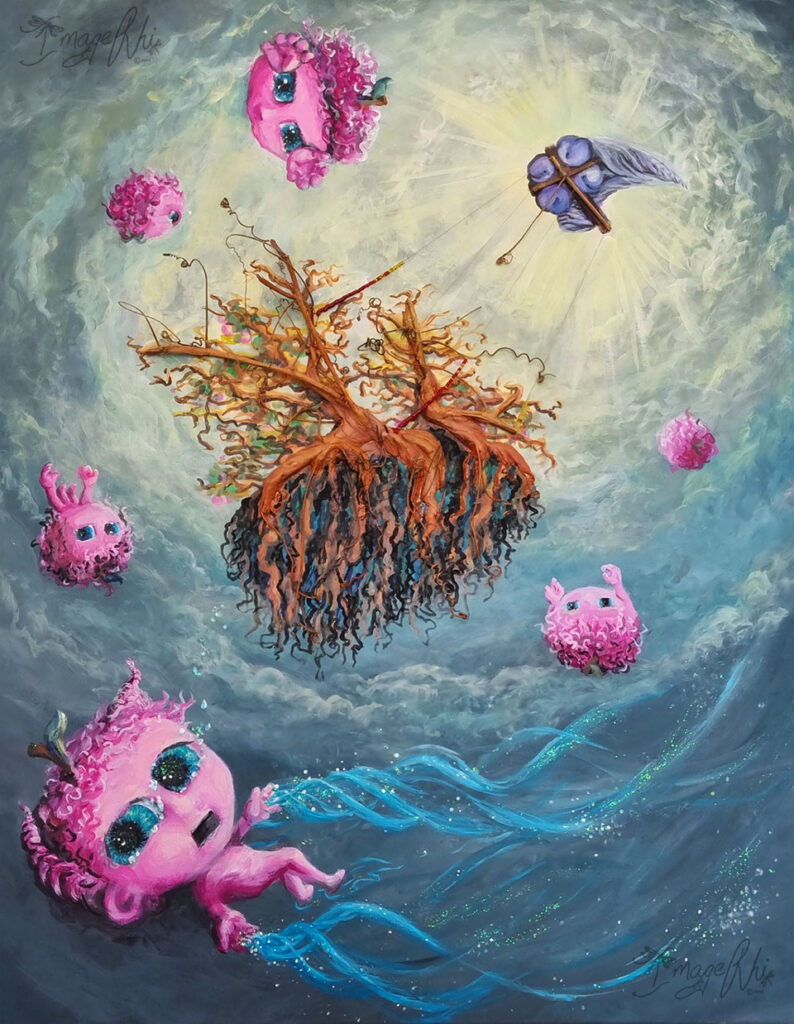
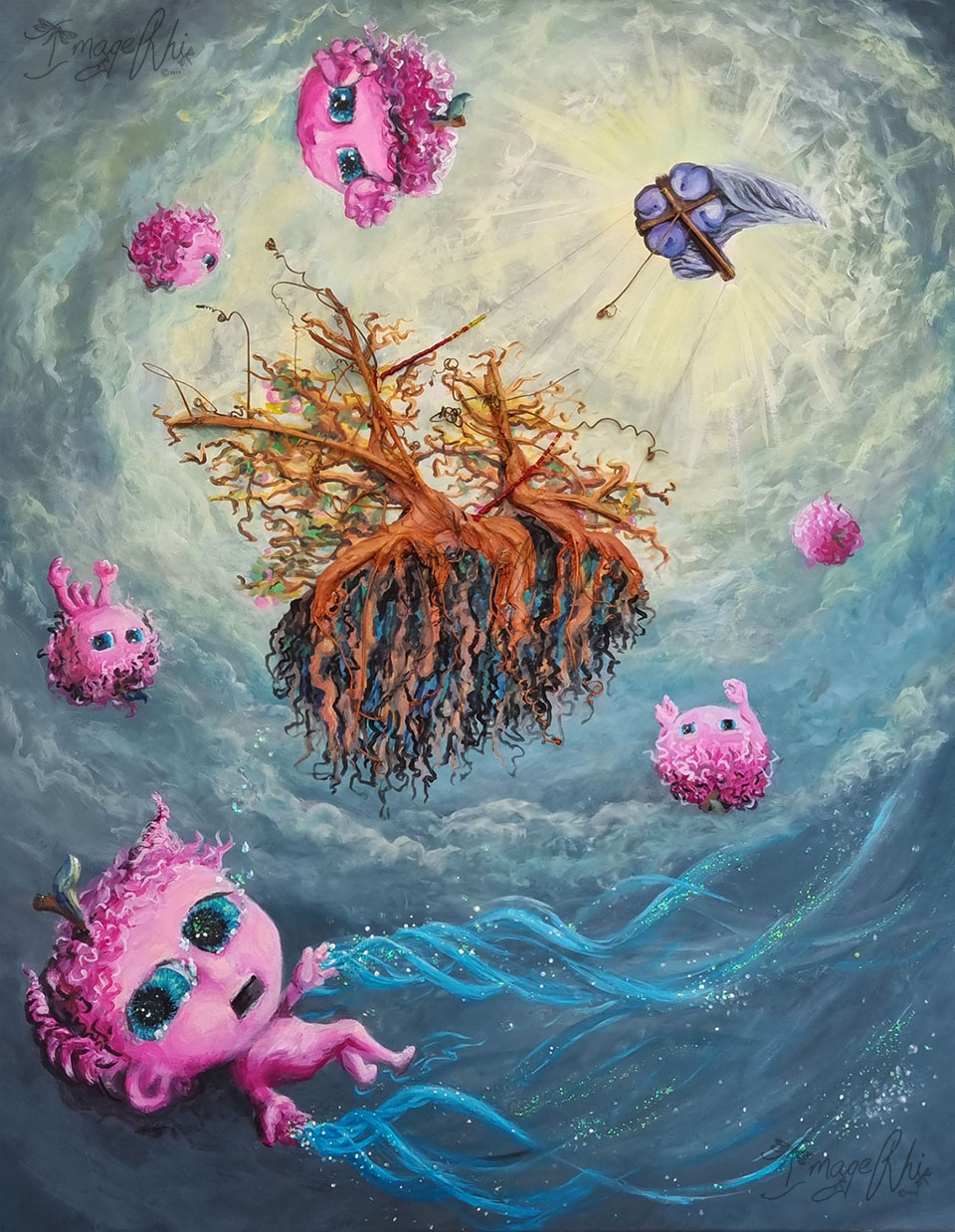
Falling Forbidden Fruit of the Uprooted Family Tree After Millennia of Dic*tatorship 75x60cm There is a theory that the biblical tree, forbidden to Adam and Eve, was not only that of the Tree of Knowledge, but also a representation the Family Tree. The forbidden fruit of incest and the ripe temptation that makes men sin. For a long as the ‘Civilized World’ has existed the patriarchy has controlled the moral compass of the family and society. Holding the puppet strings of the family tree, tradition and law. Blood binds these strings. A patriarchal dicktatorship, for thousands of years, unsatisfied men have been rewriting and translation the moral code to fit their agenda. The forbidden fruit are leaving this system, uprooting the family tree. Falling, floating, they reach out to be heard. Silently screaming for change, if you listen you will learn.

Read the full piece ›

Rhiannon Pineau

Lived experience, Submission to Voices for Action
Falling Forbidden Fruit of the Uprooted Family Tree After Millennia of Dic*tatorship 75x60cm There is a theory that the biblical tree, forbidden to Adam and Eve, was not only that of the Tree of Knowledge, but also a representation the Family Tree. The forbidden fruit of incest and the ripe temptation that makes men sin. For a long as the ‘Civilized World’ has existed the patriarchy has controlled the moral compass of the family and society. Holding the puppet strings of the family tree, tradition and law. Blood binds these strings. A patriarchal dicktatorship, for thousands of years, unsatisfied men have been rewriting and translation the moral code to fit their agenda. The forbidden fruit are leaving this system, uprooting the family tree. Falling, floating, they reach out to be heard. Silently screaming for change, if you listen you will learn.

Falling Forbidden Fruit of the Uprooted Family Tree After Millennia of Dic*tatorship 75x60cm

There is a theory that the biblical tree, forbidden to Adam and Eve, was not only that of the Tree of Knowledge, but also a representation the Family Tree. The forbidden fruit of incest and the ripe temptation that makes men sin.

For a long as the ‘Civilized World’ has existed the patriarchy has controlled the moral compass of the family and society. Holding the puppet strings of the family tree, tradition and law. Blood binds these strings. A patriarchal dic*tatorship, for thousands of years, unsatisfied men have been rewriting and translation the moral code to fit their agenda.

The forbidden fruit are leaving this system, uprooting the family tree. Falling, floating, they reach out to be heard. Silently screaming for change, if you listen you will learn.

Rhiannon Pineau, Lived experience, Submission to Voices for Action
Do Not Judge Me.

Read the full piece ›

Robbie Gambley

Victim-Survivor, Submission to Voices for Action

Do Not Judge Me.

When I was young I had no – one ,
No – one to talk to ,
No – one to tell my dark secret to .
I just cried & suffered in silence ,
Why did I do such a disgusting thing ?
This is all MY fault ,
I am DIRTY ~ I am BAD !
I felt the pain ~ crushing .
Do not judge me ~ please just listen .

I could not tell anyone in the 1970’s ~ 1980’s .
I had my horse FRECKLES ,
FRECKLES was my saviour ~ my Champion ,
FRECKLES gave me hugs ~ FRECKLES gave me love .
I had my Kelpie Cattle dogs ,
We could run freely ,
I was on my dear father’s farm .
Harm was waiting for me at school ,
A school teacher ,
A fine person ?
He said the vile things ,
He did the EVIL things ,
Yes SIR !
Do not judge me ~ please just listen .

I left school ,
I drank ~ I took drugs ,
The Torment ~ the Heartbreak ~ the SHAME !
I’m NO GOOD !
Confused ~ Angry ~ Drunk ~ Oblivion .
I had motorbikes ~ 750 Four POWER ,
I could ride fast ,
I went Fast ~ Relief !
Do not judge me ~ please just listen .

Don’t comment if you do not listen !
Told a social worker I TRUSTED ,
NSW Police ,
DPP ~ Court ,
He pleaded GUILTY !
PRISON ,
I WON !
Do not judge me ~ please just listen .

I cry ~ I still get sick ,
I am proud I put the perpetrator in PRISON !
Now I tell my story ,
Now I don’t drink !
So don’t comment if you do not listen ,
Do not judge me ~ please just listen,
Listen & try to understand ,
Above ALL BELIEVE me !
Do not judge me ~ please just LISTEN !

Robbie Gambley, Victim-Survivor, Submission to Voices for Action
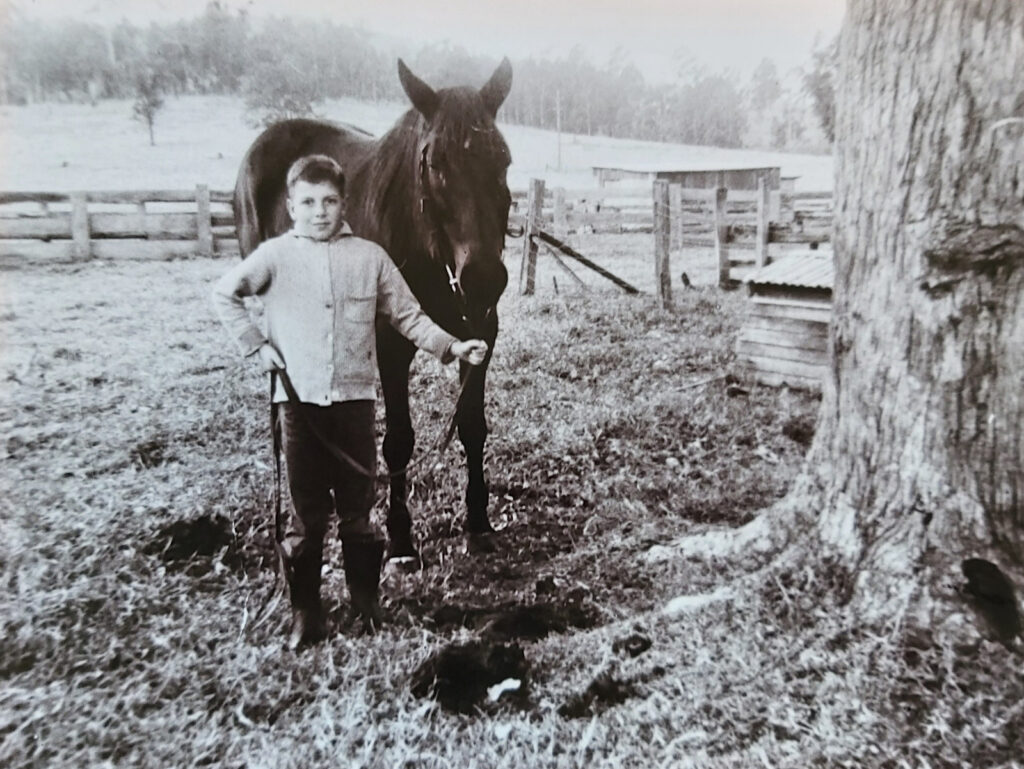
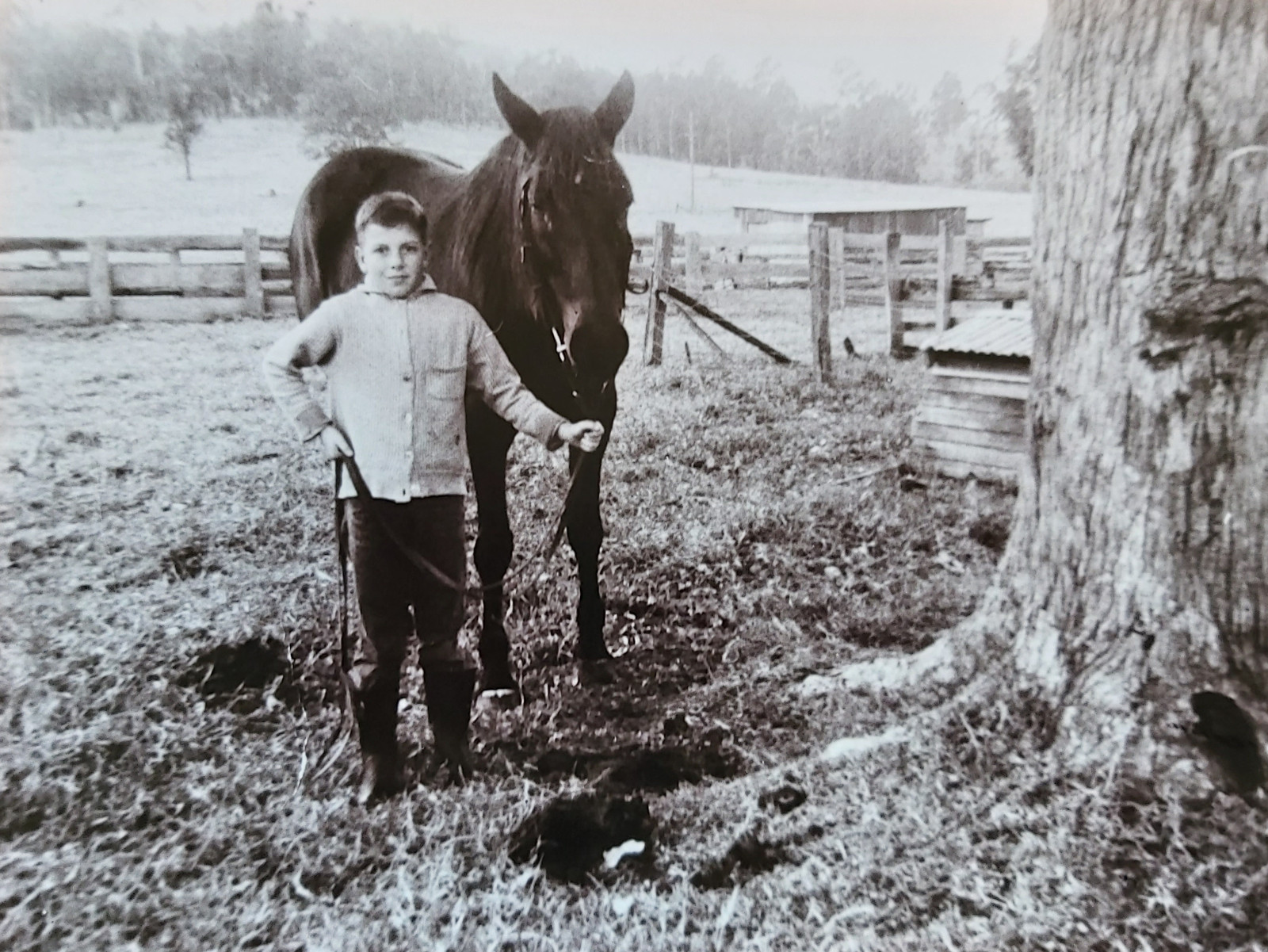
Artwork by Robbie Gambley, Victim-Survivor, when he was around 10 years old, with his bay mare, Brownie, submitted to Voices for Action. A black-and-white photograph showing a child standing beside a horse in an outdoor paddock.

Read the full piece ›

Robbie Gambley

Victim-Survivor, Submission to Voices for Action
Artwork by Robbie Gambley, Victim-Survivor, when he was around 10 years old, with his bay mare, Brownie, submitted to Voices for Action. A black-and-white photograph showing a child standing beside a horse in an outdoor paddock.

Robbie Gambley, Victim-Survivor, when he was around 10 years old, with his bay mare, Brownie

Robbie Gambley, Victim-Survivor, Submission to Voices for Action
“In the current context, I think it’s a long term strategy addressing toxic masculinity, misogyny, violence against women and children..."

Read the full piece ›

Stephanie

Child sexual abuse survivor, Submission to Voices for Action

“In the current context, I think it’s a long term strategy addressing toxic masculinity, misogyny, violence against women and children…On a more practical and achievable level, an easy explanation for survivors, and to educate the courts, police, family members, [and] the public to explain what is happening in a child’s or young person’s development and thinking, why sometimes they don’t scream, don’t say no, don’t tell anyone, why a child still acts fine with the abuser in non-offending contexts, why the offender doesn’t need force or violence, because it doesn’t make sense to a survivor when they grow up who feels guilty that they let it happen and a lesser person, or to all the other adults in the system who also judge. I’m sure this contributes to low rates of believing children and low rates of conviction and there would be a way to properly explain. I’m sure it’s complex and different for different people which is why it’s hard to explain, it’s more than stigma or worrying you won’t be believed, a much more mortifying feeling, and a feeling of responsibility, maybe to do with the breach of fundamental trust that you keep trying to get back to “normal” without “rocking the boat” as well as attachment, child development, neuroscience info in simple concepts, so that people understand and accept it.”

Stephanie, Child sexual abuse survivor, Submission to Voices for Action
“I would like to see people held accountable."

Read the full piece ›

Anonymous

Victim-survivor, Submission to Voices for Action

“I would like to see people held accountable. Redress gave me compensation through the means of finance, counselling and an apology from the department who employed the person who perpetrated abuse. However, this was a government cover up, and staff who were apart of the cover up are now in higher positions within the organisation. I was offered an apology by an executive who was the previous area manager under whom this abuse occurred and was covered up.”

Anonymous, Victim-survivor, Submission to Voices for Action
"There was minimum emotional support for either myself or my kids, we saw the (thankful) removal of the perpetrator, but this left us struggling to keep a roof over our head, pay bills, afford food etc"

Read the full piece ›

"Anonymous"

Submission to Voices for Action

“There was minimum emotional support for either myself or my kids, we saw the (thankful) removal of the perpetrator, but this left us struggling to keep a roof over our head, pay bills, afford food etc. This created an added emotional and overall mental burden on myself as a mother, which did impact the way I could engage my children (and they still say this impacted their relationship with me and how they see me, many years later).”

“Anonymous”, Submission to Voices for Action
“make alternatives to reporting to police, as police are unsafe to most people”

Read the full piece ›

Eve

Lived Experience victim-survivor advocate, Submission to Voices for Action

“make alternatives to reporting to police, as police are unsafe to most people”

Eve, Lived Experience victim-survivor advocate, Submission to Voices for Action
‘When people turn a blind eye because it's uncomfortable or they don't know what to do, it sends a message that the abuse is OK.’

Read the full piece ›

Stacey Gleeson

Person with Lived Experience, Submission to Voices for Action

‘When people turn a blind eye because it’s uncomfortable or they don’t know what to do, it sends a message that the abuse is OK.’

Stacey Gleeson, Person with Lived Experience, Submission to Voices for Action

Read the full piece ›

Lily Fetter

Victim-Survivor and Advocate, Submission to Voices for Action

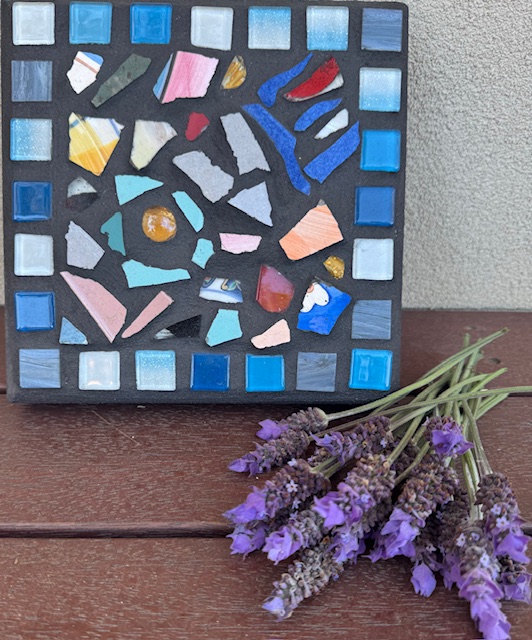
“A group program I was involved in gave us the opportunity to create a mosaic, something I’ve never done before! We were given a small paver. From there it was a matter of deciding what to put on it?!

I wanted colour, I love colours. And I wanted positivity.

Looking at the broken pieces of crockery and glass pieces, some of them stood out.

I started by bordering the paver with the blue glass tiles. Blue is my favourite colour. We chatted as we glued. Each tiny, fractured piece coming together to become part of a beautiful mosaic just like our own lives – seemingly, shattered and disjointed we can repurpose and rebuild into something truly beautiful. Our broken pieces are not signs of defeat, but become our stepping stones to creating something new, something different, something better than before. It is in the imperfection of each piece coming together that a profound beauty can be found, a testament to the power of transformation and growth.

When we returned a week later and added the grout, that’s when the colours really popped. Can you see it? Look again.

Once you see it, you can’t unsee it.”

Lily Fetter, Victim-Survivor and Advocate, Submission to Voices for Action
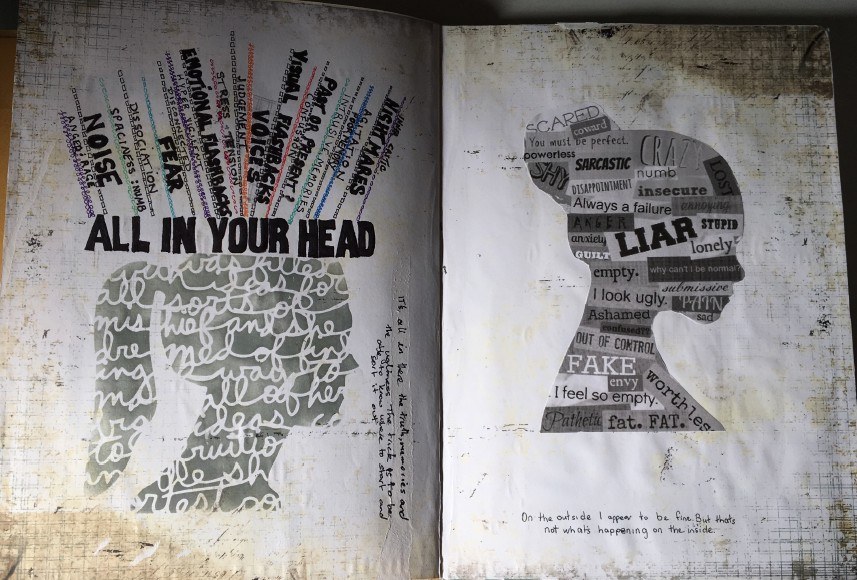
Artwork by Lee Jones, Survivor Advocate, submitted to Voices for Action. Artwork featuring a silhouette profile of a person’s head and shoulder with the phrase "ALL IN YOUR HEAD" across the forehead, surrounded by handwritten labels including "noise" and "fear". An adjacent page features another silhouette profile filled with handwritten words and phrases, with the word "LIAR" prominently displayed, and this statement below: "On the outside I appear to be fine. But that's not what's happening on the inside."

Read the full piece ›

Lee Jones

Survivor Advocate, Submission to Voices for Action
Artwork by Lee Jones, Survivor Advocate, submitted to Voices for Action. Artwork featuring a silhouette profile of a person’s head and shoulder with the phrase "ALL IN YOUR HEAD" across the forehead, surrounded by handwritten labels including "noise" and "fear". An adjacent page features another silhouette profile filled with handwritten words and phrases, with the word "LIAR" prominently displayed, and this statement below: "On the outside I appear to be fine. But that's not what's happening on the inside."

“Hopefully my artwork conveys the message on voice. The “all in my head” artwork conveys how noisy a survivors head is when they do not know where to start in order to give a voice of what is happening inside them.”

Lee Jones, Survivor Advocate, Submission to Voices for Action
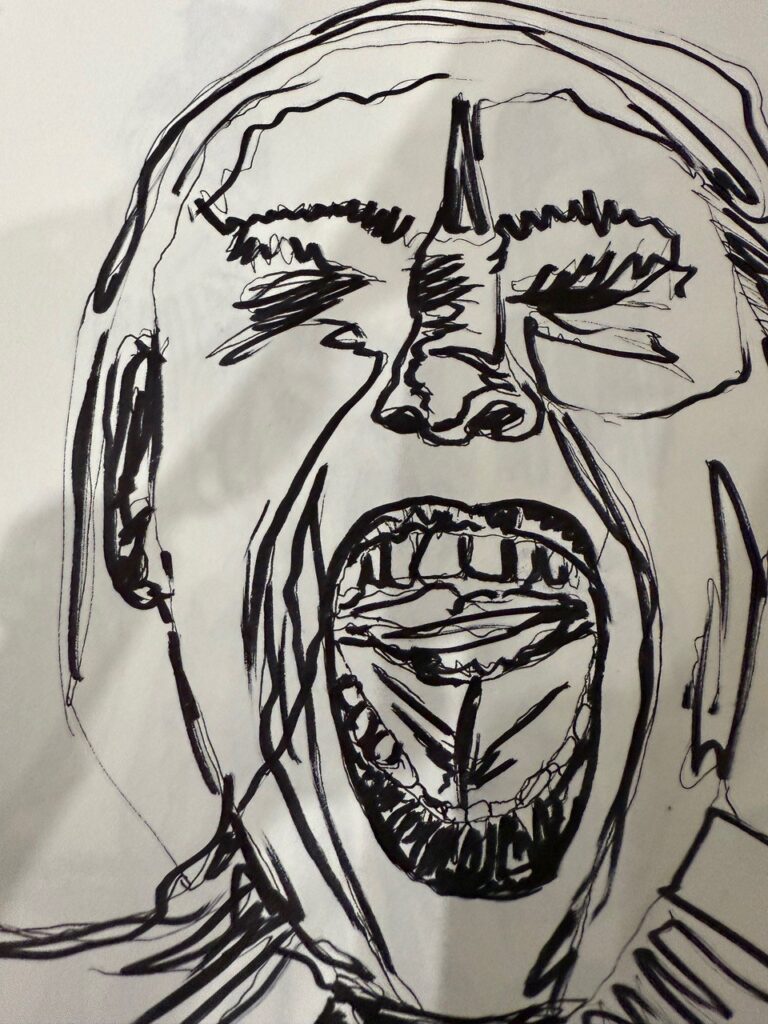
Artwork by Portia Freeman, Survivor Advocate, submitted to Voices for Action. "Some drawings that I've done throughout my journey that have helped me to process feelings and nightmares"

Read the full piece ›

Portia Freeman

Survivor Advocate, Submission to Voices for Action
Artwork by Portia Freeman, Survivor Advocate, submitted to Voices for Action. "Some drawings that I've done throughout my journey that have helped me to process feelings and nightmares"

“Some drawings that I’ve done throughout my journey that have helped me to process feelings and nightmares”

Portia Freeman, Survivor Advocate, Submission to Voices for Action
Dignity Restored

Read the full piece ›

Sandra Collins

Lived Experience Advocate, Submission to Voices for Action

DIGNITY RESTORED

R ays of hope break through silence
E choes of voices deserving to be heard
S hadowed, gushing wounds seek gentle love
T rust tenderly a gentle hand
O pen hearts offer compassion
R espect given dissolves shame
I n truth strength will be found
N urturing resilience within
G o gently

D ignity arises within
I nnosence is honoured
G uided by love and care
N ever again silenced
I n our voices seeking freedom
T ogether we stand
Y earning for justice, wholeness and peace

© Sandra Collins

Sandra Collins, Lived Experience Advocate, Submission to Voices for Action
"The world was awake, and it chose not to see me."

Read the full piece ›

Sarah Barnbrook

Victim-survivor, Submission to Voices for Action

“I am a survivor of child sexual abuse. I grew up in plain sight, at school, in community, surrounded by adults, yet I was unseen in my suffering. My behaviour changed. I stopped talking. My sister answered for me. I withdrew so deeply that silence became my language. These were red flags that should have triggered concern, but no one intervene. The world was awake, and it chose not to see me.”

Sarah Barnbrook, Victim-survivor, Submission to Voices for Action
"There is no satisfactory understanding at any level of government or mental health services or clinicians or policy iterations that child sexual abuse has lifelong effects."

Read the full piece ›

Stephen

Victim-survivor, Submission to Voices for Action

“There is no satisfactory understanding at any level of government or mental health services or clinicians or policy iterations that child sexual abuse has lifelong effects. The personality, trauma, behavioural, emotional, relationship and other impacts do not simply go away. They persist. They are often repressed for decades. We know that, but when they resurface, we don’t recognise them and we accuse people of fabricating and lying.”

Stephen, Victim-survivor, Submission to Voices for Action
"...but nobody understands that, there are no services available and even the professionals who are supposed to help you are shockingly ignorant."

Read the full piece ›

Stephen

Victim-survivor, Submission to Voices for Action

“The focus on children and young people not just here but across all mental health and adjunct services/systems ignores the fact that aged 60 or 70, you might commit suicide because of what happened to you when you were 10 or 15, but nobody understands that, there are no services available and even the professionals who are supposed to help you are shockingly ignorant.”

Stephen, Victim-survivor, Submission to Voices for Action

Read the full piece ›

Nathan

Survivor – Walking my road of recovery, Submission to Voices for Action

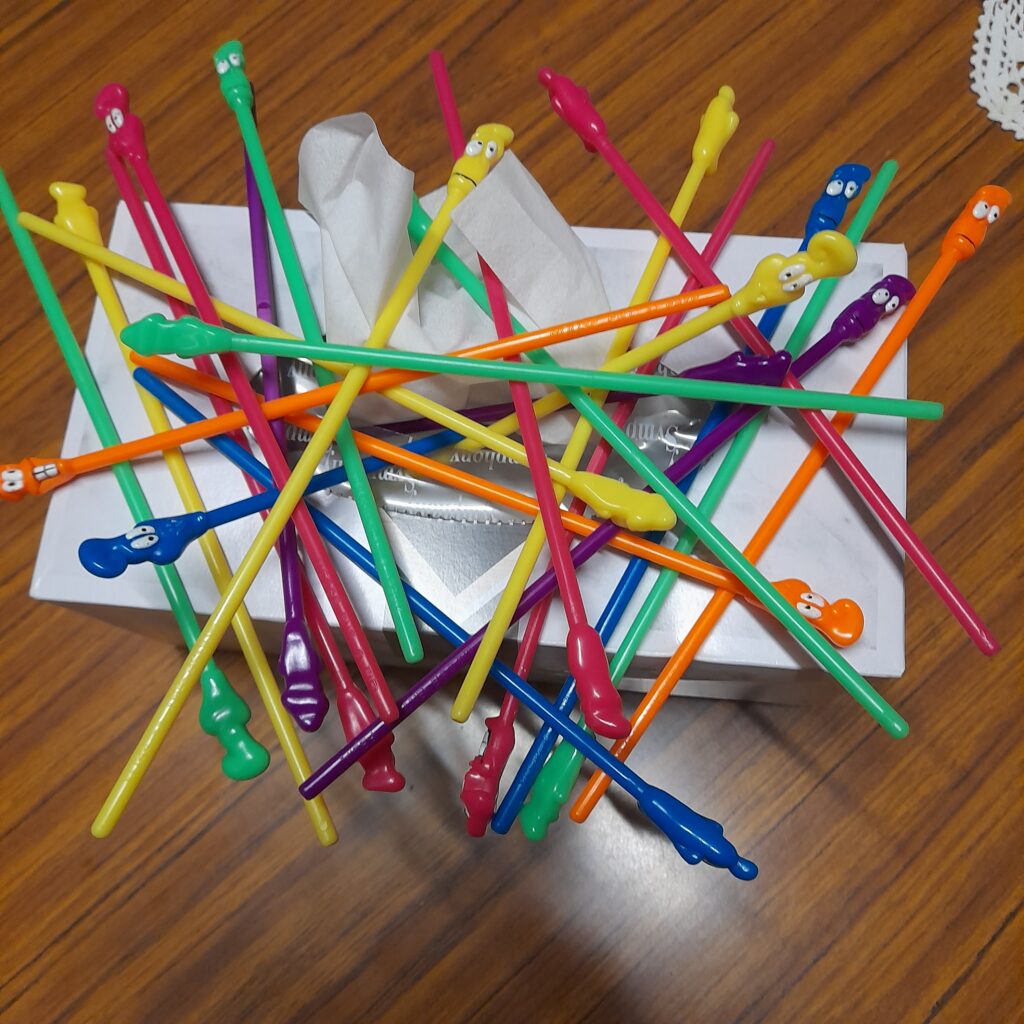
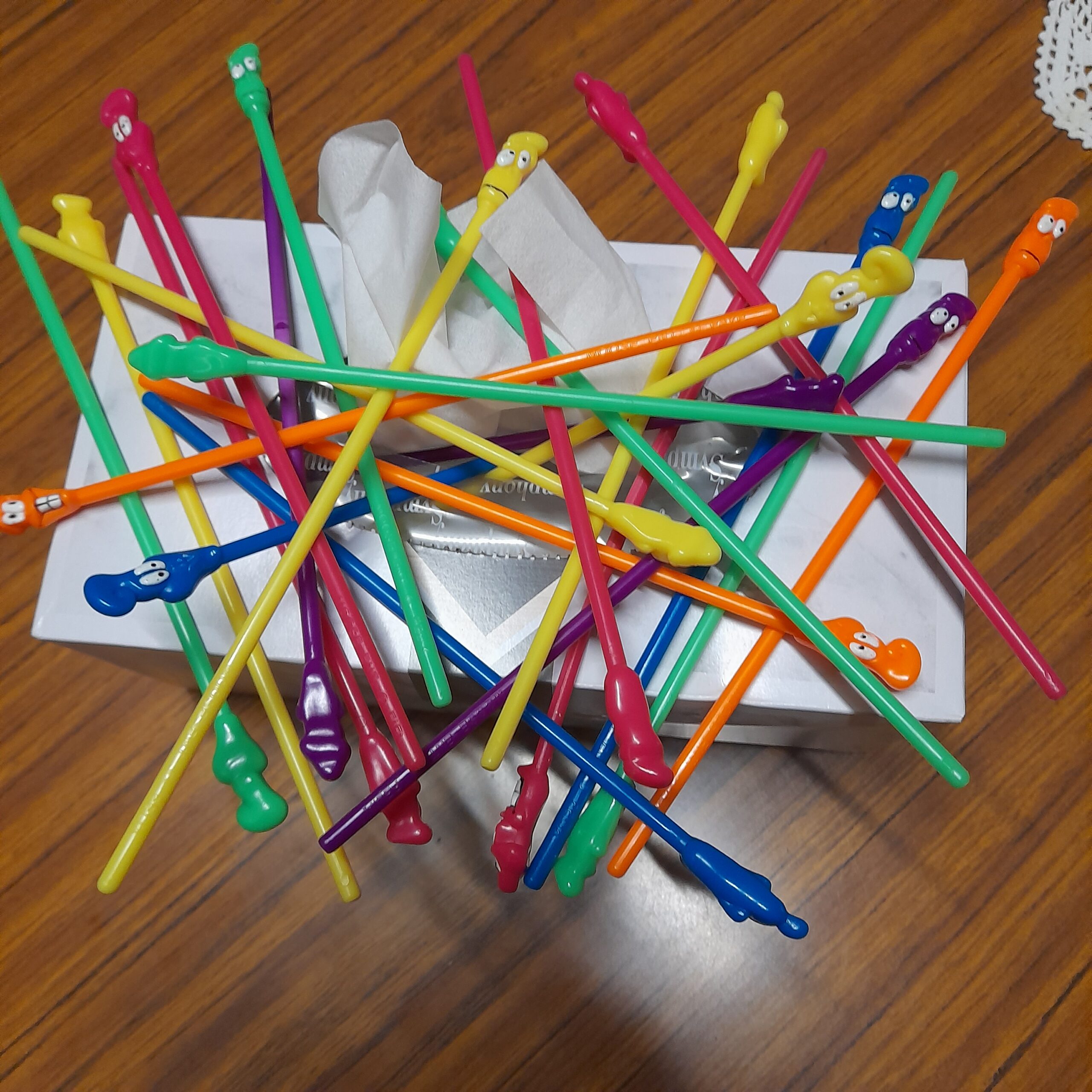
“the pictures of fiddle sticks each representing a different dimension intersecting at different points. I found recovery is not predictive on a linear scale, many dynamics and influences change the placement and position as our issues vary and each issue varied in its place in time and its intensity. My journey has been and remains complex”

Nathan, Survivor – Walking my road of recovery, Submission to Voices for Action
"I would like to see safer outcomes for children who are experiencing family violence or sexual abuse in family court."

Read the full piece ›

Kate

Survivor advocate, Submission to Voices for Action

“I would like to see safer outcomes for children who are experiencing family violence or sexual abuse in family court. We suffered horrific treatment and still live with very unsafe orders after my son disclosed sexual abuse.”

Kate, Survivor advocate, Submission to Voices for Action
"Some very Brave Survivors have complex health issues."

Read the full piece ›

Robbie Gambley

Victim-survivor, Submission to Voices for Action

“Some very Brave Survivors have complex health issues. I think a specialised card that helps survivors when going to hospital, social workers, psychologists, the whole health spectrum, indeed their whole life journey is very important & helpful. It would help me & many other brave survivors.”

Robbie Gambley, Victim-survivor, Submission to Voices for Action
Artwork by Portia Freeman, Survivor Advocate, submitted to Voices for Action. "Some drawings that I've done throughout my journey that have helped me to process feelings and nightmares"

Read the full piece ›

Portia Freeman

Survivor Advocate, Submission to Voices for Action
Artwork by Portia Freeman, Survivor Advocate, submitted to Voices for Action. "Some drawings that I've done throughout my journey that have helped me to process feelings and nightmares"

“Some drawings that I’ve done throughout my journey that have helped me to process feelings and nightmares”

Portia Freeman, Survivor Advocate, Submission to Voices for Action
“As a result of the abuse and the prolonged legal processes, I have struggled to gain and maintain employment."

Read the full piece ›

Amanda Williams

Person with lived experience, Submission to Voices for Action

“As a result of the abuse and the prolonged legal processes, I have struggled to gain and maintain employment. At the same time, I face significant ongoing expenses for therapy, which is essential to managing prolonged PTSD. The costs associated with unemployment, psychologists, counsellors, healthcare, and medicine have been extraordinary. I have found there is no direct pathway in treating the effects of the abuse and there is very limited assistance or subsidisation in this space. The system places survivors in a particularly difficult position: we experience significant harm, must advocate for ourselves, endure the complexities of the criminal and civil legal systems, and are then left to cope with the long-term consequences alone.”

Amanda Williams, Person with lived experience, Submission to Voices for Action
"Waiting for court was like putting my life on hold."

Read the full piece ›

Chanelle Mak

Victim survivor, Submission to Voices for Action

“The one change I want is for reform in the court system to allow for pre-recorded testimonies for victim survivors. Waiting for court was like putting my life on hold. Although healing is an ongoing journey, it was like I couldn’t even begin to take steps for it as I was just waiting to go to court – all of the lead up. All up it was around 2-3 years before we made it to court. I want future victim survivors who are pursuing this pathway to have more choice in the way they engage and this action would allow them to provide their evidence in a manner that likely would feel more safe than on the day in court, let alone the anxiety of the lead up.”

Chanelle Mak, Victim survivor, Submission to Voices for Action
"I can still clearly recall how deeply offended and all too familiar it felt to be ignored when survivors of Voluntary Placements were left out of the Apology."

Read the full piece ›

Tracie M. Oldham

Lived Experience Advocate – Speaker – Author, Submission to Voices for Action

“I can still clearly recall how deeply offended and all too familiar it felt to be ignored when survivors of Voluntary Placements were left out of the Apology. I was filled with a deep sense of sadness as I listened to the Prime Minister apologise to the victims of institutional abuse. I realised that my horrific abuse and the trauma endured by countless Voluntary Placement Survivors was deemed so insignificant that it was completely ignored, and I had never felt more invisible or alone and invalidated.”

Tracie M. Oldham, Lived Experience Advocate – Speaker – Author, Submission to Voices for Action
“Continuous ongoing support through all stages of life. Not just a few sessions or a couple of months, or even a year."

Read the full piece ›

Nikki

Survivor Advocate, Submission to Voices for Action

“Continuous ongoing support through all stages of life. Not just a few sessions or a couple of months, or even a year. Each stage of life, being a survivor of child sexual abuse, brings up new challenges for confront trauma. This is where help from psychologists/counsellors experienced in helping those with trauma from abuse is needed most. It’s a journey and professionals need to be prepared to be with a victim for prolonged periods of time.”

Nikki, Survivor Advocate, Submission to Voices for Action
"I was meant to be safe at her house.”

Read the full piece ›

Layla

Victim-survivor, Submission to Voices for Action

“It was a secret just between him and me. I was 7 and he was the father of a dear friend who lived in the neighbourhood. My mum was pregnant with her third child and he groomed my mum and me. I was meant to be safe at her house.”

Layla, Victim-survivor, Submission to Voices for Action
I burn in rage. Trapped, a metaphorical cage. But this is his stage. Therefore, I must not cave.

Read the full piece ›

Effie Tomaras

Submission to Voices for Action

I burn in rage.
Trapped, a metaphorical cage.

But this is his stage.
Therefore, I must not cave.

For I am his grandchild,
Carrying on wars wage.

Flooded deeply with confusion.
A new feeling, how strange.

He is hardly listening,
Beyond far from the same page.

I do not bother contesting this time, nor this day.

Instead, I mere vow to disengage.
It seems far easier, at such an early age.

But Father,
On Sunday, when they ask for our change…

Inform the Priest, I am in great great need of burning sage.

Effie Tomaras, Submission to Voices for Action
"I would like more information and access to trauma-informed psychological services such as EMDR available to women in both regional and urban areas..."

Read the full piece ›

Anonymous

Victim-survivor, Submission to Voices for Action

“I would like more information and access to trauma-informed psychological services such as EMDR available to women in both regional and urban areas and those services not have to be a choice between food or therapy. I have wasted years and thousands of dollars on therapy that was not trauma informed and not effective because talking about childhood trauma involved the body and feeling, and it is often impossible to talk about because the memories don’t always have language.”

Anonymous, Victim-survivor, Submission to Voices for Action
“I was treated terribly both by the abuser's lawyer and the judge in many ways during the trial."

Read the full piece ›

Anonymous

Victim-survivor, Submission to Voices for Action

“I was treated terribly both by the abuser’s lawyer and the judge in many ways during the trial. It has caused me just as much harm as the abuse I suffered originally. And with no support at all.”

Anonymous, Victim-survivor, Submission to Voices for Action
Swipe to see more

Read the full report

The Voices for Action report includes:

What we heard from victim-survivors

The common threads and key themes identified across submissions provide one way of understanding the experiences and priorities shared through Voices for Action.

Three recurring threads emerged across many submissions: the strength and resilience of victim-survivors, carrying shame and facing stigma, and ongoing experiences of re-traumatisation. These threads cut across multiple themes and reflect the complex dynamics of child sexual abuse and responses to it.

Five key themes were identified across submissions, bringing together common experiences and priorities for change.

Three threads
  • Strength, determination and resilience
  • Carrying shame and facing stigma
  • Ongoing experiences of re-traumatisation

Three threads

Together, these themes reflect the broad and interconnected impacts of child sexual abuse, and the wide-ranging changes people with lived experience felt mattered most. Many people described experiences that spanned several themes at once. While the themes are presented separately, they are deeply interconnected.

Theme 1

Bringing child sexual abuse into view

Voices – what we heard

In submissions, people described child sexual abuse as something that often remains hidden in society. Many spoke about the challenges of disclosing and the ways silence, secrecy and misunderstanding can keep child sexual abuse out of view. We heard that:

“I am a survivor of child sexual abuse. I grew up in plain sight, at school, in community, surrounded by adults, yet I was unseen in my suffering. My behaviour changed. I stopped talking. My sister answered for me. I withdrew so deeply that silence became my language. These were red flags that should have triggered concern, but no one intervened. The world was awake, and it chose not to see me.”

Sarah Barnbrook, Victim-Survivor, Submission to Voices for Action

Priorities for change

Increase awareness of child sexual abuse and reduce stigma

Increase public understanding of child sexual abuse and challenge shame, stigma, silence and misunderstanding.

Improve community recognition of and responses to child sexual abuse

Strengthen public education to improve recognition of child sexual abuse, including grooming, and build understanding of how to respond to concerns and disclosures.

Theme 2

Addressing child sexual abuse in family settings

Voices – what we heard

In submissions, people with lived experience described child sexual abuse in family settings as a distinct experience, shaped by complex family relationships, dependence on caregivers and ongoing contact with those involved. We heard about child sexual abuse by parents, siblings and other family members, as well as those considered part of trusted family networks. Many people reflected on the ways that abuse within families could remain hidden, continue over time and affect family relationships across the lifespan and generations. We heard that:

“When you educate children on sexual abuse through existing programs, you tell them to tell a trusted adult. How can they possibly be expected to tell a trusted adult when it might be that trusted adult that abuses them? Or if they tell a teacher or something a teacher has to alert the parents – what if the abusers ARE the parents? What if their disclosures lead to more abuse? Communities and societies need way more education on the impact of these crimes and the abuse of the legal system.”

Poppy, Victim-Survivor, Submission to Voices for Action

Priorities for change

Increase recognition and visibility of child sexual abuse in family settings

Increase awareness and understanding of child sexual abuse in family settings, improve visibility of these experiences, and increase recognition of the distinct dynamics of abuse within these settings.

Support victim-survivors and families affected by child sexual abuse in family settings

Improve support, recovery and healing for victim-survivors and families affected by child sexual abuse in family settings, including the effects on victim-survivors, non-offending parents, siblings and other family members.

Improve justice, accountability and healing pathways for child sexual abuse in family settings

Strengthen child protection, improve accountability, and create pathways to justice, acknowledgement, reparation and healing for victim-survivors of child sexual abuse in family settings.

Theme 3

Understanding the lifelong impacts of child sexual abuse

Voices – what we heard

People with lived experience described the impacts of child sexual abuse as profound, interconnected and often lifelong. Many reflected on the ways these impacts could emerge, change or be reactivated at different points across the lifespan, affecting health, wellbeing, relationships and daily life. Their accounts highlighted the breadth and complexity of these experiences and their far-reaching effects. We heard that:

“The impacts of child sexual abuse do not end when the abuse stops, or when a case goes to court. For me, the lasting effects include chronic PTSD, ongoing anxiety, and an enduring fear of being in public or leaving my home. These impacts have affected every part of my adult life, including my ability to work, to feel safe in the community, and to build stability. Survivors are often expected to “move on” once legal proceedings conclude, but in reality, the trauma continues long after. The abuse, combined with years of legal stress, uncertainty, and re-traumatisation, has left lasting psychological harm that requires ongoing care that I must continually find the means to address and have enough money to pay for…”

Amanda Williams, Person with lived experience, Submission to Voices for Action

Priorities for change

Increase community understanding of the lifelong impacts of child sexual abuse

Increase understanding of the impacts of child sexual abuse for victim-survivors, and of the impacts across families and communities.

Theme 4

Changing systems and services so they don’t compound harm

Voices – what we heard

People with lived experience described seeking support, justice, acknowledgement and accountability through a range of services, institutions and processes. While some encounters supported healing, many victim-survivors reflected on experiences that reinforced shame and stigma, created additional barriers, or contributed to re-traumatisation. We heard that:

“From my own experience, slow, procedural responses that lack empathy can cause deep and lasting damage. Earlier processes retraumatised me and failed to keep others safe, while later trauma-informed responses showed how much difference accountability, genuine apology and having a say can make to healing and dignity. Getting this right doesn’t just support survivors, it helps prevent future abuse. Things are safer and more supportive when survivors are believed, listened to, and given real control over how processes affect them. That means acting early when abuse is disclosed, taking responsibility to prevent further harm, and putting people’s emotional and physical safety ahead of convenience or bureaucracy. Support also needs to continue beyond an investigation or redress process. Healing doesn’t end there. Ongoing, trauma-informed support, including meaningful apologies, consistent care, and help navigating life after redress makes a real difference. When survivors are supported over time, the positive impact reaches families, communities, and the long-term safety of children.”

Margaret, Person with lived experience, Submission to Voices for Action

Priorities for change

Improve access to specialist, affordable and sustained support across the lifespan

Ensure specialist support is available whenever needed and in ways that reflect the long-term and often non-linear impacts of child sexual abuse.

Ensure service systems are coordinated and easy to navigate

Create coordinated and connected systems, clearer pathways to support, and practical assistance to help victim-survivors navigate services and processes.

Build specialist workforce capability and trauma-informed service responses

Improve recognition of child sexual abuse, respond safely to disclosure, avoid misdiagnosis, and provide culturally safe and trauma-informed support.

Make police, investigative and legal processes victim-survivor-centred

Reduce re-traumatisation and ensure victim-survivors are supported, heard and treated fairly throughout police, investigative and legal processes and proceedings.

Achieve justice, accountability and meaningful redress for all victim-survivors

Create more effective pathways to justice, accountability, acknowledgement and redress, including legal reforms that improve access, fairness and outcomes for victim-survivors of all forms of child sexual abuse.

Strengthen organisational accountability for safeguarding and responses to child sexual abuse

Strengthen safeguarding, improve responses to concerns, and increase accountability when organisations fail to protect children, conceal abuse or respond in ways that cause further harm.

Theme 5

Supporting recovery across the lifespan

Voices – what we heard

People with lived experience identified a range of factors that supported their healing and recovery. Recovery was shaped by relationships, support, acknowledgement and finding approaches that worked for individual needs, circumstances and stages of life. We heard that:

“That moment of being believed, being met with calm validation, was the start of real healing.

Because relationship, safety, safeness, and trust aren’t tick-box items. You can’t measure them on a form. You can’t rush them through a care plan. They’re built over time, through consistency, presence, and belief.

Lived experience doesn’t offer all the answers. But it does offer truth. It shows us what systems miss, what shame hides, what healing can look like, even when it’s slow. As a survivor, lived experience inclusion, in spaces such as these, also gives me back my voice that was taken away for so long.”

Portia Freeman, Survivor Advocate, Submission to Voices for Action

Priorities for change

Strengthen culturally safe support, connection and belonging

Strengthen culturally safe responses and opportunities for peer support, connection and trusted relationships that recognise people’s identities, experiences and sources of healing.

Expand access to diverse healing pathways for victim-survivors

Support different pathways to healing and recovery that reflect people’s diverse needs, experiences and sources of healing across the lifespan.

Milly

Victim-Survivor

Submission to Voices for Action

To breathe through it. To look for the light leaking in through the cracks. I’m not whole yet, but maybe I don’t have to be. Maybe I just have to keep going. Because somewhere beneath the pain, there’s a flicker – small, trembling, but alive. A flicker of something soft and defiant. Something that says, I want more. More than just surviving. More than flinching at footsteps and counting ceiling cracks.

I want nights that don’t fade into fear. I want to smile and feel it spread through me. I want to be seen without having to tremble. And that has to be enough. For now, that has to be enough as I begin to forget him. Because he doesn’t get to determine my story anymore. I do. So I’ll write. Even if my hands shake. Even if my voice cracks. I’ll write the truth, and in doing so, I’ll stitch myself back together, thread by trembling thread.

I’m still learning how to live in a body that remembers his touch. Still learning how to love it. How to trust it. But maybe, one day, I’ll stop seeing his handprints when I look in the mirror. Maybe I’ll see just me instead.”

With warmth, respect and deep gratitude to our submitters

Thank you for the courage, care, generosity and trust it took to share your stories, reflections and truths with us. It has been a profound honour to sit with your words and creative submissions. We witnessed the many capacities reflected across your submissions and stories: honesty, creativity, advocacy, relational insight, systems thinking and deep care for others. These strengths stood alongside, and are inseparable from, the pain, harm and injustice you experienced. Thank you for your contributions towards a future where children are free from sexual violence, and where victim-survivors are met with belief, respect and meaningful support. 

Read the full report

The Voices for Action report includes:

Subscribe to news and updates

Stay informed: Join our mailing list.

Understanding child sexual abuse

Best practice for parent-focused child sexual abuse prevention education in early childhood
Understanding best practice and the role of professionals in preventing child sexual abuse and harmful sexual behaviours
Accessibility of child sexual abuse prevention in Australia
Preventing child sexual abuse by understanding perpetrators’ motivations
Supporting Victims and Survivors of Child Sexual Abuse: Rapid Evidence Reviews
Ngagagee Ngulu Murrup Durra (‘The Ngagagee project’)
Preventing repeat child exploitation material offending: An international evaluation of the CEM-COPE Program
Conceptualising and Estimating the Costs of Child Sexual Exploitation (Phase One of Australian Study into Economic Costs of Child Sexual Exploitation)
An environmental scan of Child Sexual Abuse related workforce training offerings in Australia
Enhancing the capability of Australia’s Primary Health Workforce to respond to child sexual abuse
CHANGE – curtailing harm and navigating growth: evidence for change pathways of young people who have engaged in harmful sexual behaviour
Amplifying the voices of victim-survivors: Advancing the harmful sexual behaviour evidence base – the Ava project
Reshaping the Conversation: Development of a shared language and preferred definitions guide endorsed by victims and survivors of child sexual abuse
Building a knowledge frame for responding to the needs of children and young people who have engaged in harmful sexual behaviour
Children and Young People’s Safety Project
Child safe practices using contextual safeguarding strategies
The more I talk, the stronger I get: unlocking our past to free our future
Delivering trauma-informed support for child sexual abuse victims in Victoria: mapping the knowledge gaps and training needs of the specialist sectors
Online child sexual victimisation and associated mental health outcomes
Differentiating adverse childhood experience profiles of male youths who exhibit harmful sexual behaviours

Response to child sexual abuse

Best practice for parent-focused child sexual abuse prevention education in early childhood
Understanding best practice and the role of professionals in preventing child sexual abuse and harmful sexual behaviours
Upskilling the community sport volunteer workforce to respond to child abuse in sport: a collaborative research project
Accessibility of child sexual abuse prevention in Australia
From bystanders to allies: a structural feminist perspective for supporting child victims and adult survivors of child rape and torture.
Supporting Victims and Survivors of Child Sexual Abuse: Rapid Evidence Reviews
Ngagagee Ngulu Murrup Durra (‘The Ngagagee project’)
Preventing repeat child exploitation material offending: An international evaluation of the CEM-COPE Program
Evaluation of the Multi-Agency Investigation & Support Team
Conceptualising and Estimating the Costs of Child Sexual Exploitation (Phase One of Australian Study into Economic Costs of Child Sexual Exploitation)
Effect of multi-agency deliberation on perceptions of risk in responses to child abuse and neglect
The Australian child sexual abuse attitudes, knowledge and response study
CHANGE – curtailing harm and navigating growth: evidence for change pathways of young people who have engaged in harmful sexual behaviour
Improving legal, policy and practice responses to the intersection of domestic violence perpetration and child sexual abuse offending
Investigating experiences of child sexual abuse disclosure and disbelief in the Family Court
Understanding the experiences of child sexual abuse disclosure in Australia in the wake of the Royal Commission
Building trauma-responsive sexual health and relationship education
Learning from victims and survivors about what helps disclosure and responses to child sexual abuse
Amplifying the voices of victim-survivors: Advancing the harmful sexual behaviour evidence base – the Ava project
The dignity by design project: survivor-led system redesign
Evaluating a harmful sexual behaviour education program in a residential care setting
Community as experts: investigating the context, needs and help-seeking pathways for child sexual abuse survivors and their supporters in the NSW Bega Valley
Developing and implementing a framework for abuse prevention through culture change and organisational development
Reshaping the Conversation: Development of a shared language and preferred definitions guide endorsed by victims and survivors of child sexual abuse
Building a knowledge frame for responding to the needs of children and young people who have engaged in harmful sexual behaviour
Children and Young People’s Safety Project
Child safe practices using contextual safeguarding strategies
Enhancing the capacity of rural and regional respectful relationship educators
Strengthening relationships and connections for young people in therapeutic residential care
The safeguarding capability of adults in Catholic Church ministries: a global perspective
Creating safer futures: raising public awareness of child sexual abuse among young adults through digital storytelling
Survivor perspectives on institutional use of child sexual abuse material
The more I talk, the stronger I get: unlocking our past to free our future
Delivering trauma-informed support for child sexual abuse victims in Victoria: mapping the knowledge gaps and training needs of the specialist sectors
Online child sexual victimisation and associated mental health outcomes
Differentiating adverse childhood experience profiles of male youths who exhibit harmful sexual behaviours

Needs of victims and survivors

From bystanders to allies: a structural feminist perspective for supporting child victims and adult survivors of child rape and torture.
Supporting Victims and Survivors of Child Sexual Abuse: Rapid Evidence Reviews
Ngagagee Ngulu Murrup Durra (‘The Ngagagee project’)
Evaluation of the Multi-Agency Investigation & Support Team
The Australian child sexual abuse attitudes, knowledge and response study
An environmental scan of Child Sexual Abuse related workforce training offerings in Australia
Enhancing the capability of Australia’s Primary Health Workforce to respond to child sexual abuse
Improving legal, policy and practice responses to the intersection of domestic violence perpetration and child sexual abuse offending
Investigating experiences of child sexual abuse disclosure and disbelief in the Family Court
Understanding the experiences of child sexual abuse disclosure in Australia in the wake of the Royal Commission
Building trauma-responsive sexual health and relationship education
Learning from victims and survivors about what helps disclosure and responses to child sexual abuse
Amplifying the voices of victim-survivors: Advancing the harmful sexual behaviour evidence base – the Ava project
The dignity by design project: survivor-led system redesign
Supporting continuous quality improvement in safeguarding at Hockey Australia and other national sporting organisations
Evaluating a harmful sexual behaviour education program in a residential care setting
Community as experts: investigating the context, needs and help-seeking pathways for child sexual abuse survivors and their supporters in the NSW Bega Valley
Enhancing the capacity of rural and regional respectful relationship educators
Creating safer futures: raising public awareness of child sexual abuse among young adults through digital storytelling
Survivor perspectives on institutional use of child sexual abuse material
The more I talk, the stronger I get: unlocking our past to free our future

Prevention of child sexual abuse

Best practice for parent-focused child sexual abuse prevention education in early childhood
Understanding best practice and the role of professionals in preventing child sexual abuse and harmful sexual behaviours
From bystanders to allies: a structural feminist perspective for supporting child victims and adult survivors of child rape and torture.
Preventing child sexual abuse by understanding perpetrators’ motivations
Ngagagee Ngulu Murrup Durra (‘The Ngagagee project’)
Preventing repeat child exploitation material offending: An international evaluation of the CEM-COPE Program
Conceptualising and Estimating the Costs of Child Sexual Exploitation (Phase One of Australian Study into Economic Costs of Child Sexual Exploitation)
The Australian child sexual abuse attitudes, knowledge and response study
An environmental scan of Child Sexual Abuse related workforce training offerings in Australia
CHANGE – curtailing harm and navigating growth: evidence for change pathways of young people who have engaged in harmful sexual behaviour
Evaluating a harmful sexual behaviour education program in a residential care setting
Developing and implementing a framework for abuse prevention through culture change and organisational development
Building a knowledge frame for responding to the needs of children and young people who have engaged in harmful sexual behaviour
Strengthening relationships and connections for young people in therapeutic residential care
Differentiating adverse childhood experience profiles of male youths who exhibit harmful sexual behaviours

Identification of child sexual abuse

Best practice for parent-focused child sexual abuse prevention education in early childhood
Understanding best practice and the role of professionals in preventing child sexual abuse and harmful sexual behaviours
Upskilling the community sport volunteer workforce to respond to child abuse in sport: a collaborative research project
Accessibility of child sexual abuse prevention in Australia
From bystanders to allies: a structural feminist perspective for supporting child victims and adult survivors of child rape and torture.
The Australian child sexual abuse attitudes, knowledge and response study
An environmental scan of Child Sexual Abuse related workforce training offerings in Australia
Enhancing the capability of Australia’s Primary Health Workforce to respond to child sexual abuse
Supporting continuous quality improvement in safeguarding at Hockey Australia and other national sporting organisations
Evaluating a harmful sexual behaviour education program in a residential care setting
Developing and implementing a framework for abuse prevention through culture change and organisational development
Children and Young People’s Safety Project
The safeguarding capability of adults in Catholic Church ministries: a global perspective

Disclosure of child sexual abuse

Upskilling the community sport volunteer workforce to respond to child abuse in sport: a collaborative research project
Ngagagee Ngulu Murrup Durra (‘The Ngagagee project’)
The Australian child sexual abuse attitudes, knowledge and response study
An environmental scan of Child Sexual Abuse related workforce training offerings in Australia
Enhancing the capability of Australia’s Primary Health Workforce to respond to child sexual abuse
Improving legal, policy and practice responses to the intersection of domestic violence perpetration and child sexual abuse offending
Investigating experiences of child sexual abuse disclosure and disbelief in the Family Court
Understanding the experiences of child sexual abuse disclosure in Australia in the wake of the Royal Commission
Learning from victims and survivors about what helps disclosure and responses to child sexual abuse
Supporting continuous quality improvement in safeguarding at Hockey Australia and other national sporting organisations
Community as experts: investigating the context, needs and help-seeking pathways for child sexual abuse survivors and their supporters in the NSW Bega Valley