What does the evidence tell us?

  • Research

The National Centre for Action on Child Sexual Abuse has brought together findings from 22 commissioned research projects, each contributing to a stronger evidence base on preventing and responding to child sexual abuse in Australia.

This piece provides a focused view of what the evidence is telling us now, where progress is being made and where further change is needed. The findings are organised across four domains that reflect critical areas of focus within child sexual abuse and reinforce a consistent message: effective responses require coordinated, sustained effort across systems, communities and the life course.

This work builds on the foundations of the Royal Commission and reflects the National Centre’s role in strengthening evidence, connecting research to practice and supporting more effective policy and service responses.

This research has been conducted by Australia’s leading experts in the field, alongside the expertise of victim-survivors, non-offending parents and practitioners. Their contributions ensure the evidence reflects real-world experience and supports practical application. Applying evidence to practice is critical to improving outcomes for children, young people and adults.


01 Lifespan supports

Lifespan supports refer to coordinated services, interventions and systems that respond to child sexual abuse across the life course, supporting prevention, early intervention, recovery, healing and long-term wellbeing.

Emerging evidence highlights that child sexual abuse requires coordinated responses extending beyond disclosure to long-term healing. Evidence from O’Leary (2026) shows that disclosure is often a life-course process rather than a single event. Being believed, supported and given control is critical to recovery and future help-seeking. Research by Moore (2026) shows how spaces such as schools can be safe places for young people before, during or after disclosure. Similarly, Keevers (2026) highlights the importance of accessible, culturally safe services and help-seeking pathways, particularly for survivors and supporters in regional communities.

Recovery is strengthened when children, young people and families are supported across the places and relationships that shape their lives. Evidence from Salter (2026), MacSween and Petridis (2025) and Welsh and McComsey (2026) highlight the importance of safe and stable caregiving and the central role of non-abusive parents, carers and the wider community in recovery across the lifespan.

Research by Walsh and Mathews (2026) shows that online child sexual victimisation is linked to victim-survivors experiencing poor mental health and risky behaviours, highlighting the need for support that addresses both online and offline harm.

Harmful sexual behaviour also requires tailored, developmentally appropriate responses. Evidence from Thomsen (2025) identifies specific developmental pathways among young people who engage in harmful sexual behaviour, shaped by varying combinations of adversity, psychosocial challenges and family environments. Research by Clarke (2025), McKibbin (2026) and Spangaro and Kor (2026) highlight the need for tailored responses that support victim-survivors, strengthen practitioner capability and engage families in prevention, intervention and recovery.

Putting evidence into practice

› Recognise that disclosure is often delayed, repeated and shaped by how people respond – read ‘It doesn’t happen once: Lived experiences of disclosure across the life course‘.

› Strengthen awareness of harmful sexual behaviour – watch ‘In Conversation – Introduction to harmful sexual behaviours‘.

› Integrate lifespan responses across systems and life stages – read ‘Understanding disclosure over time: Insights from a systematic review‘.

FULL RESEARCH PROJECTS

  • O’Leary — Understanding the experiences of child sexual abuse disclosure in Australia in the wake of the Royal Commission
  • Keevers — Community as experts: investigating the context, needs and help-seeking pathways for child sexual abuse survivors and their supporters in the NSW Bega Valley
  • Walsh & Mathews — Online child sexual victimisation and associated mental health outcomes
  • McKibbin — Amplifying the voices of victim-survivors: Advancing the harmful sexual behaviour evidence base – the Ava project
  • Moore — Building trauma-responsive sexual health and relationship education
  • Welsh & McComsey — The more I talk, the stronger I get: unlocking our past to free our future
  • Thomsen — Differentiating adverse childhood experiences profiles of male youths who exhibit harmful sexual behaviours
  • Spangaro and Kor — CHANGE — Curtailing Harm And Navigating Growth: Evidence for change pathways of young people who have engaged in harmful sexual behaviour

02 System responses – gaps and opportunities

System responses describe how policies, services, workforce capability and organisational cultures across sectors work together – or fail to work together – to prevent and respond to child sexual abuse.

Emerging evidence highlights the importance of designing systems that are informed by the experiences and expertise of victim-survivors. Research by Heward-Belle (2026) demonstrates the value of survivor-led approaches in shaping policy and practice, while Boyle (2025) identifies opportunities to strengthen coordination, pathways and system responses. Wilson (2024) further highlights the harms that can occur when institutional decision-making fails to adequately consider the perspectives and needs of victim-survivors.

System responses are not always experienced as safe, consistent or supportive. Research by Clarke (2025) highlights the importance of practitioner capability in responding to harmful sexual behaviour, while Lines (2026) identifies the absence of consistent, system-wide approaches to workforce capability. Research by Webster (2026) and Roberts (2026) further highlight the importance of workforce development, training and leadership in strengthening sector capability and improving responses to child sexual abuse. Together, this evidence points to the need for more coordinated responses across sectors.

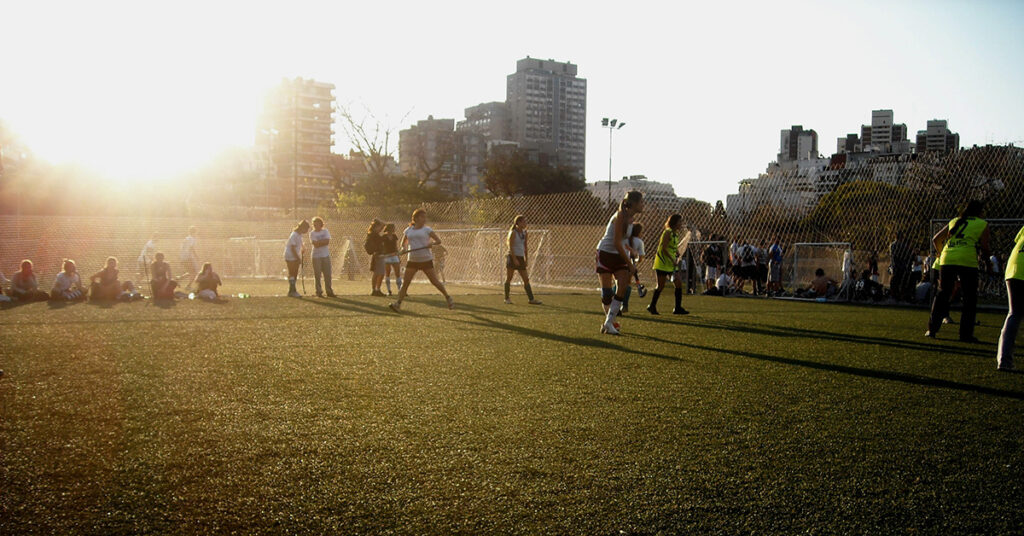
These challenges are also evident in institutional settings such as sport. Research by Dowdy (2025) and Pankowiak (2026) demonstrate how organisational culture, leadership and power dynamics shape safety, disclosure and reporting, reinforcing the role of institutions in preventing and responding to child sexual abuse.

Putting evidence into practice

 › Strengthen survivor-informed system design – listen to ‘Dignity by design: Survivor-led system redesign podcast‘.

 › Build workforce capability and confidence to respond to child sexual abuse – listen to ‘Spotlight on the specialist workforce: addressing knowledge and skills gaps in responding to child sexual abuse‘.

› Create psychologically safe and accountable organisational cultures – view ‘An abuse prevention through culture change framework‘.

FULL RESEARCH PROJECTS

  • Heward-Belle — The dignity by design project: survivor-led system redesign
  • Wilson — Survivor perspectives on institutional use of child sexual abuse material
  • Lines — Workforce Capability Project: Developing a workforce capability statement to underpin how workers prevent and respond to child sexual abuse across the lifespan
  • Roberts — Evaluating foundational training for the Victorian specialist sexual assault sector
  • Pankowiak — Upskilling the community sport volunteer workforce to respond to child abuse in sport: a collaborative research project
  • Boyle — Developing and implementing a framework for abuse prevention through culture change and organisational development
  • Clarke — Evaluating a harmful sexual behaviour education program in a residential care setting
  • Webster — Delivering trauma-informed support for child sexual abuse victims in Victoria: Mapping the knowledge gaps and training needs of the specialist sectors
  • Dowdy — Supporting continuous quality improvement in safeguarding at Hockey Australia and other national sporting organisations

03 National policy and plan renewal

Australia’s national policy responses, with many intersecting action plans currently under consultation, help shape the framework for keeping children and young people safe and well, including as adult survivors of childhood trauma. These national plans address family, domestic and sexual violence, child protection and child sexual abuse.

While the plans have a strong focus on domestic and family violence, evidence shows that child sexual abuse is deeply interconnected and must be explicitly addressed across them all. Research by Salter (2026) demonstrates the close relationship between domestic and family violence and child sexual abuse, yet responses continue to operate in silos.

Evidence from Salter (2026) and MacSween and Petridis (2025) show that children and non-offending parents are often not believed and may face fragmented systems and legal processes that compromise safety. Research by Rayment-McHugh (2026) further highlights the importance of ensuring prevention initiatives are accessible and equitable for all communities.

Together, this evidence highlights the need for coordinated national responses that strengthen prevention and lifespan supports, improve recognition of harm and support safer responses for children and families.

Putting evidence into practice

 › Improve recognition of coercive control and trauma in legal and practice settings – read ‘“I wish they knew what they’d stolen from me”: Child sexual abuse and the Family Court’.

 › Adopt a dual risk assessment within justice responses – view ‘Policy and practice recommendations: Improving legal, policy, and practice responses at the intersection of domestic violence perpetration and child sexual abuse offending

› Embed prevention and early intervention across universal systems – view ‘Accessibility of child sexual abuse prevention in Australia‘.

FULL RESEARCH PROJECTS

  • Salter — Improving legal, policy and practice responses to the intersection of domestic violence perpetration and child sexual abuse offending
  • Rayment-McHugh — Accessibility of child sexual abuse prevention in Australia
  • MacSween and Petridis — Investigating experiences of child sexual abuse disclosure and disbelief in the Family Court

04 Child sexual abuse in familial settings

Child sexual abuse within families and trusted relationships can create unique barriers to disclosure and help-seeking.

McPherson (2025) found that children often fear the consequences of disclosure for themselves or their family, while family responses may be shaped by fear, stigma and relational complexity.

Wright (2026) highlights the power of safe conversations and collective storytelling in breaking the silence around child sexual abuse. Victim-survivors describe finding strength in shared experiences, demonstrating how digital storytelling can raise awareness, encourage dialogue and support safe community engagement.

Putting evidence into practice

 › Strengthen early identification, disclosure and trauma-informed responses – read ‘What helps children and young people to disclose their experience of sexual abuse and what gets in the way? A systematic scoping review‘.

 › Build the knowledge and confidence to talk about child sexual abuse – explore ‘Creating Safer Futures – a digital storytelling experience featuring a survivor advocate’.

FULL RESEARCH PROJECTS

  • McPherson — Learning from victims and survivors about what helps disclosure and responses to child sexual abuse
  • Wright — Creating safer futures: raising public awareness of child sexual abuse among young adults through digital storytelling


Join the National Centre’s mailing list
 

Related posts: 
  • Research
18/05/2026

Volunteers want to protect children from abuse but need stronger systems to support them 

Volunteers are often the backbone of community sport. An estimated 2.9 million Au…
11/02/2025

The growing crisis of child sexual abuse material and its impacts

National Centre-funded research project, Survivor perspectives on institutio
30/01/2025

Practicing at the intersection of child sexual abuse and domestic violence

When I was invited to join the panel for the National Centre’s In Conversati…

Subscribe to news and updates

Stay informed: Join our mailing list.

Understanding child sexual abuse

Best practice for parent-focused child sexual abuse prevention education in early childhood
Understanding best practice and the role of professionals in preventing child sexual abuse and harmful sexual behaviours
Accessibility of child sexual abuse prevention in Australia
Preventing child sexual abuse by understanding perpetrators’ motivations
Supporting Victims and Survivors of Child Sexual Abuse: Rapid Evidence Reviews
Ngagagee Ngulu Murrup Durra (‘The Ngagagee project’)
Preventing repeat child exploitation material offending: An international evaluation of the CEM-COPE Program
Conceptualising and Estimating the Costs of Child Sexual Exploitation (Phase One of Australian Study into Economic Costs of Child Sexual Exploitation)
An environmental scan of Child Sexual Abuse related workforce training offerings in Australia
Enhancing the capability of Australia’s Primary Health Workforce to respond to child sexual abuse
CHANGE – curtailing harm and navigating growth: evidence for change pathways of young people who have engaged in harmful sexual behaviour
Amplifying the voices of victim-survivors: Advancing the harmful sexual behaviour evidence base – the Ava project
Reshaping the Conversation: Development of a shared language and preferred definitions guide endorsed by victims and survivors of child sexual abuse
Building a knowledge frame for responding to the needs of children and young people who have engaged in harmful sexual behaviour
Children and Young People’s Safety Project
Child safe practices using contextual safeguarding strategies
The more I talk, the stronger I get: unlocking our past to free our future
Delivering trauma-informed support for child sexual abuse victims in Victoria: mapping the knowledge gaps and training needs of the specialist sectors
Online child sexual victimisation and associated mental health outcomes
Differentiating adverse childhood experience profiles of male youths who exhibit harmful sexual behaviours

Response to child sexual abuse

Best practice for parent-focused child sexual abuse prevention education in early childhood
Understanding best practice and the role of professionals in preventing child sexual abuse and harmful sexual behaviours
Upskilling the community sport volunteer workforce to respond to child abuse in sport: a collaborative research project
Accessibility of child sexual abuse prevention in Australia
From bystanders to allies: a structural feminist perspective for supporting child victims and adult survivors of child rape and torture.
Supporting Victims and Survivors of Child Sexual Abuse: Rapid Evidence Reviews
Ngagagee Ngulu Murrup Durra (‘The Ngagagee project’)
Preventing repeat child exploitation material offending: An international evaluation of the CEM-COPE Program
Evaluation of the Multi-Agency Investigation & Support Team
Conceptualising and Estimating the Costs of Child Sexual Exploitation (Phase One of Australian Study into Economic Costs of Child Sexual Exploitation)
Effect of multi-agency deliberation on perceptions of risk in responses to child abuse and neglect
The Australian child sexual abuse attitudes, knowledge and response study
CHANGE – curtailing harm and navigating growth: evidence for change pathways of young people who have engaged in harmful sexual behaviour
Improving legal, policy and practice responses to the intersection of domestic violence perpetration and child sexual abuse offending
Investigating experiences of child sexual abuse disclosure and disbelief in the Family Court
Understanding the experiences of child sexual abuse disclosure in Australia in the wake of the Royal Commission
Building trauma-responsive sexual health and relationship education
Learning from victims and survivors about what helps disclosure and responses to child sexual abuse
Amplifying the voices of victim-survivors: Advancing the harmful sexual behaviour evidence base – the Ava project
The dignity by design project: survivor-led system redesign
Evaluating a harmful sexual behaviour education program in a residential care setting
Community as experts: investigating the context, needs and help-seeking pathways for child sexual abuse survivors and their supporters in the NSW Bega Valley
Developing and implementing a framework for abuse prevention through culture change and organisational development
Reshaping the Conversation: Development of a shared language and preferred definitions guide endorsed by victims and survivors of child sexual abuse
Building a knowledge frame for responding to the needs of children and young people who have engaged in harmful sexual behaviour
Australian Child Maltreatment Study
Children and Young People’s Safety Project
Child safe practices using contextual safeguarding strategies
Enhancing the capacity of rural and regional respectful relationship educators
Strengthening relationships and connections for young people in therapeutic residential care
The safeguarding capability of adults in Catholic Church ministries: a global perspective
Creating safer futures: raising public awareness of child sexual abuse among young adults through digital storytelling
Survivor perspectives on institutional use of child sexual abuse material
The more I talk, the stronger I get: unlocking our past to free our future
Delivering trauma-informed support for child sexual abuse victims in Victoria: mapping the knowledge gaps and training needs of the specialist sectors
Online child sexual victimisation and associated mental health outcomes
Differentiating adverse childhood experience profiles of male youths who exhibit harmful sexual behaviours

Needs of victims and survivors

From bystanders to allies: a structural feminist perspective for supporting child victims and adult survivors of child rape and torture.
Supporting Victims and Survivors of Child Sexual Abuse: Rapid Evidence Reviews
Ngagagee Ngulu Murrup Durra (‘The Ngagagee project’)
Evaluation of the Multi-Agency Investigation & Support Team
The Australian child sexual abuse attitudes, knowledge and response study
An environmental scan of Child Sexual Abuse related workforce training offerings in Australia
Enhancing the capability of Australia’s Primary Health Workforce to respond to child sexual abuse
Improving legal, policy and practice responses to the intersection of domestic violence perpetration and child sexual abuse offending
Investigating experiences of child sexual abuse disclosure and disbelief in the Family Court
Understanding the experiences of child sexual abuse disclosure in Australia in the wake of the Royal Commission
Building trauma-responsive sexual health and relationship education
Learning from victims and survivors about what helps disclosure and responses to child sexual abuse
Amplifying the voices of victim-survivors: Advancing the harmful sexual behaviour evidence base – the Ava project
The dignity by design project: survivor-led system redesign
Supporting continuous quality improvement in safeguarding at Hockey Australia and other national sporting organisations
Evaluating a harmful sexual behaviour education program in a residential care setting
Community as experts: investigating the context, needs and help-seeking pathways for child sexual abuse survivors and their supporters in the NSW Bega Valley
Enhancing the capacity of rural and regional respectful relationship educators
Creating safer futures: raising public awareness of child sexual abuse among young adults through digital storytelling
Survivor perspectives on institutional use of child sexual abuse material
The more I talk, the stronger I get: unlocking our past to free our future

Prevention of child sexual abuse

Best practice for parent-focused child sexual abuse prevention education in early childhood
Understanding best practice and the role of professionals in preventing child sexual abuse and harmful sexual behaviours
From bystanders to allies: a structural feminist perspective for supporting child victims and adult survivors of child rape and torture.
Preventing child sexual abuse by understanding perpetrators’ motivations
Ngagagee Ngulu Murrup Durra (‘The Ngagagee project’)
Preventing repeat child exploitation material offending: An international evaluation of the CEM-COPE Program
Conceptualising and Estimating the Costs of Child Sexual Exploitation (Phase One of Australian Study into Economic Costs of Child Sexual Exploitation)
The Australian child sexual abuse attitudes, knowledge and response study
An environmental scan of Child Sexual Abuse related workforce training offerings in Australia
CHANGE – curtailing harm and navigating growth: evidence for change pathways of young people who have engaged in harmful sexual behaviour
Evaluating a harmful sexual behaviour education program in a residential care setting
Developing and implementing a framework for abuse prevention through culture change and organisational development
Building a knowledge frame for responding to the needs of children and young people who have engaged in harmful sexual behaviour
Australian Child Maltreatment Study
Strengthening relationships and connections for young people in therapeutic residential care
Differentiating adverse childhood experience profiles of male youths who exhibit harmful sexual behaviours

Identification of child sexual abuse

Best practice for parent-focused child sexual abuse prevention education in early childhood
Understanding best practice and the role of professionals in preventing child sexual abuse and harmful sexual behaviours
Upskilling the community sport volunteer workforce to respond to child abuse in sport: a collaborative research project
Accessibility of child sexual abuse prevention in Australia
From bystanders to allies: a structural feminist perspective for supporting child victims and adult survivors of child rape and torture.
The Australian child sexual abuse attitudes, knowledge and response study
An environmental scan of Child Sexual Abuse related workforce training offerings in Australia
Enhancing the capability of Australia’s Primary Health Workforce to respond to child sexual abuse
Supporting continuous quality improvement in safeguarding at Hockey Australia and other national sporting organisations
Evaluating a harmful sexual behaviour education program in a residential care setting
Developing and implementing a framework for abuse prevention through culture change and organisational development
Children and Young People’s Safety Project
The safeguarding capability of adults in Catholic Church ministries: a global perspective

Disclosure of child sexual abuse

Upskilling the community sport volunteer workforce to respond to child abuse in sport: a collaborative research project
Ngagagee Ngulu Murrup Durra (‘The Ngagagee project’)
The Australian child sexual abuse attitudes, knowledge and response study
An environmental scan of Child Sexual Abuse related workforce training offerings in Australia
Enhancing the capability of Australia’s Primary Health Workforce to respond to child sexual abuse
Improving legal, policy and practice responses to the intersection of domestic violence perpetration and child sexual abuse offending
Investigating experiences of child sexual abuse disclosure and disbelief in the Family Court
Understanding the experiences of child sexual abuse disclosure in Australia in the wake of the Royal Commission
Learning from victims and survivors about what helps disclosure and responses to child sexual abuse
Supporting continuous quality improvement in safeguarding at Hockey Australia and other national sporting organisations
Community as experts: investigating the context, needs and help-seeking pathways for child sexual abuse survivors and their supporters in the NSW Bega Valley